Slow Travel on the Costa Brava: A Guide From a Repeat Visitor to Cadaqués
Cadaqués does not reward the hurried visitor. This guide draws on repeated journeys to one of Spain's most distinctive coastal destinations, covering the routing logic, seasonal intelligence, and cultural depth that make the Costa Brava worth understanding before you arrive.
By Figen Hazbay, Head of Travel Design, Adler Marlow | May 27 2026
I have lost count of how many times I have driven that final road into Cadaqués. It is single-lane in stretches, winding through the Serra de Rodes with the kind of commitment that tells you the town does not want to be easy to reach.
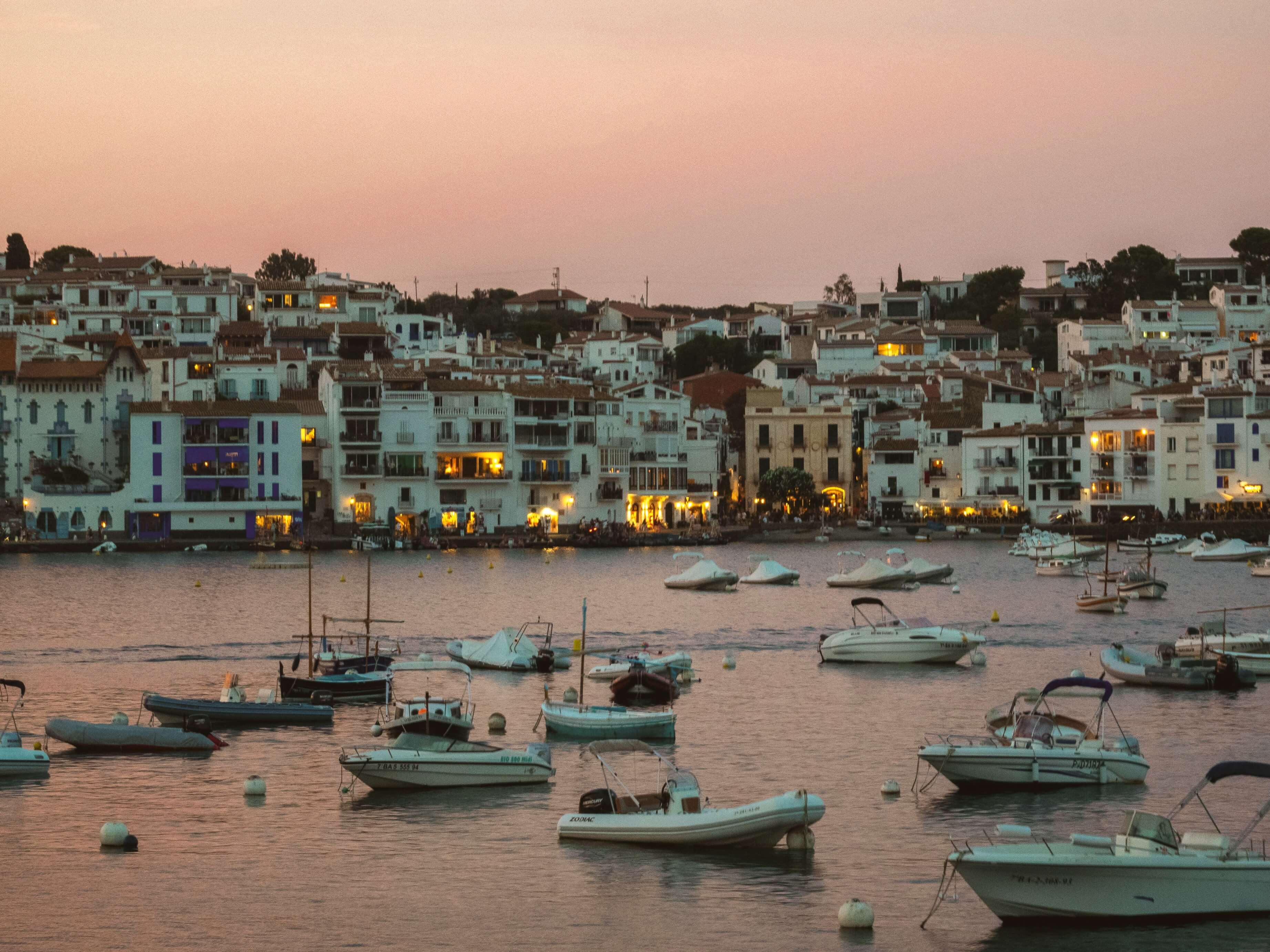
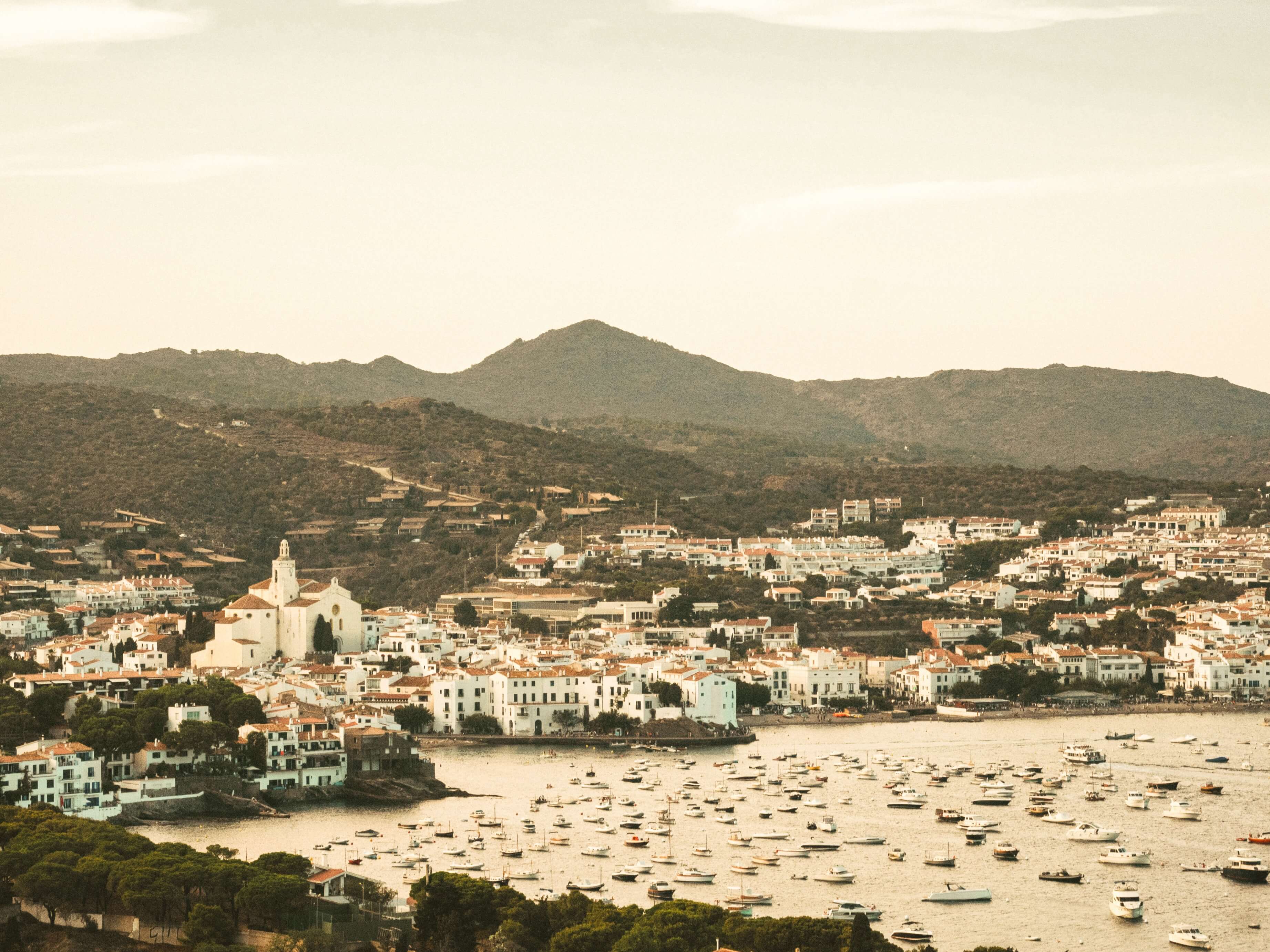
Every time I make that descent and the bay opens below me, white houses stacked against the hillside and the water so still it looks painted, I understand again why I keep coming back.
Cadaqués is not a destination you stumble into. It is one you choose, and choose again.
This guide offers what I wish I had on a first visit: geographic context, seasonal intelligence, routing logic, and an honest account of what the Costa Brava asks of you as a traveler - and actual framework.
Why Cadaqués keeps drawing people back
The logic of isolation
Cadaqués sits at the northeastern tip of the Costa Brava, tucked inside the Cap de Creus peninsula in a way that road infrastructure has never fully corrected. There is no train. The drive from Barcelona takes roughly two and a half hours, and the final approach involves a mountain road that discourages the casual visitor in a way that has, over decades, preserved the town's character more effectively than any planning ordinance could.
That isolation is not incidental. That is the point.
Where towns like Lloret de Mar absorbed mass tourism infrastructure, Cadaqués retained the quality of a place that knows its own worth. The streets are too narrow for large coaches. The bay is too exposed for the beach club development that colonized other stretches of Mediterranean coastline. What remained is something increasingly rare: a working village that also happens to be beautiful.
What the whitewashed village actually delivers
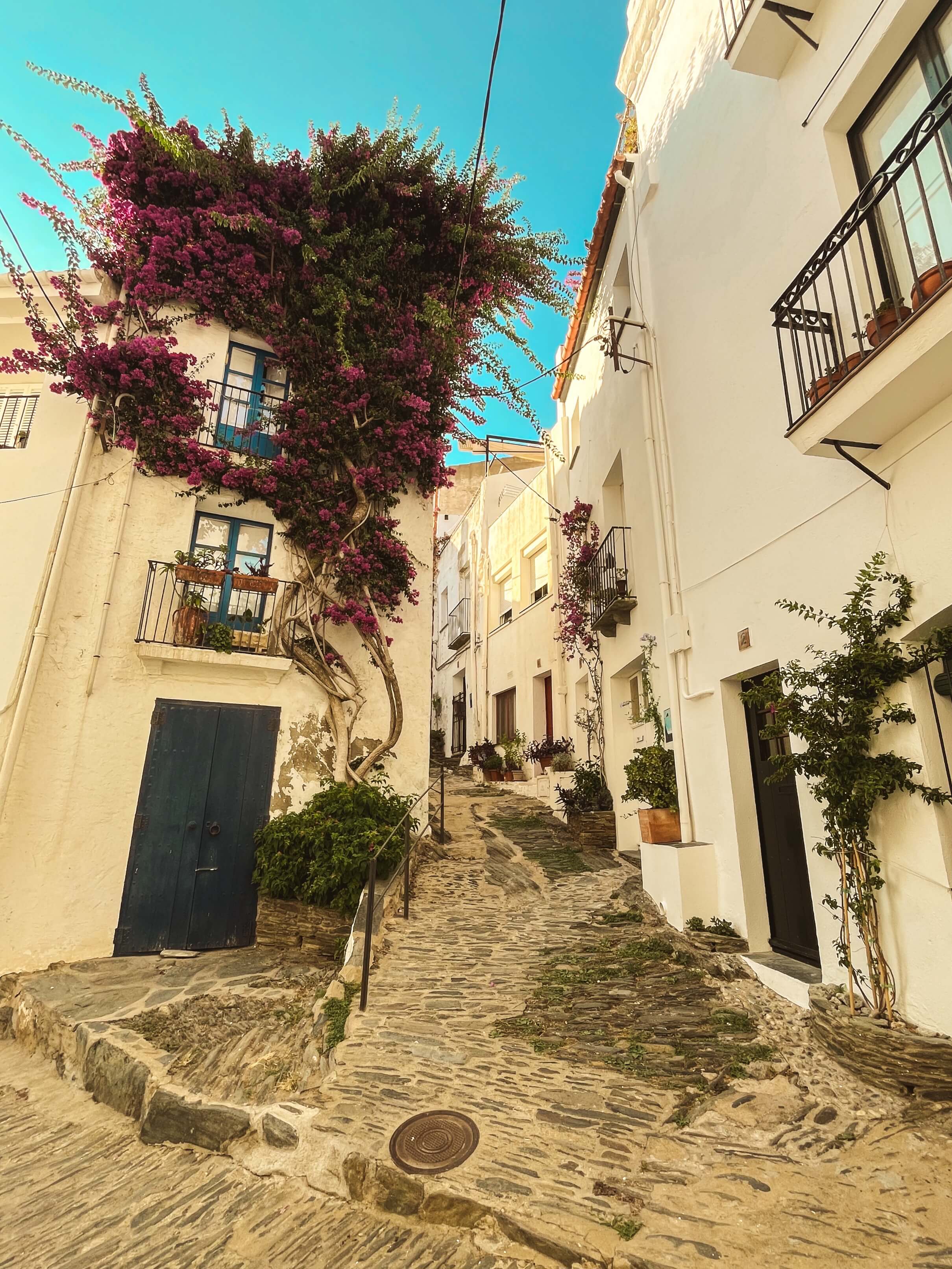
The town is compact. The church of Santa Maria stands above the bay as an organizing principle rather than a decoration. The waterfront promenade is short enough to walk end to end in fifteen minutes, which is precisely why you will spend an hour doing it.
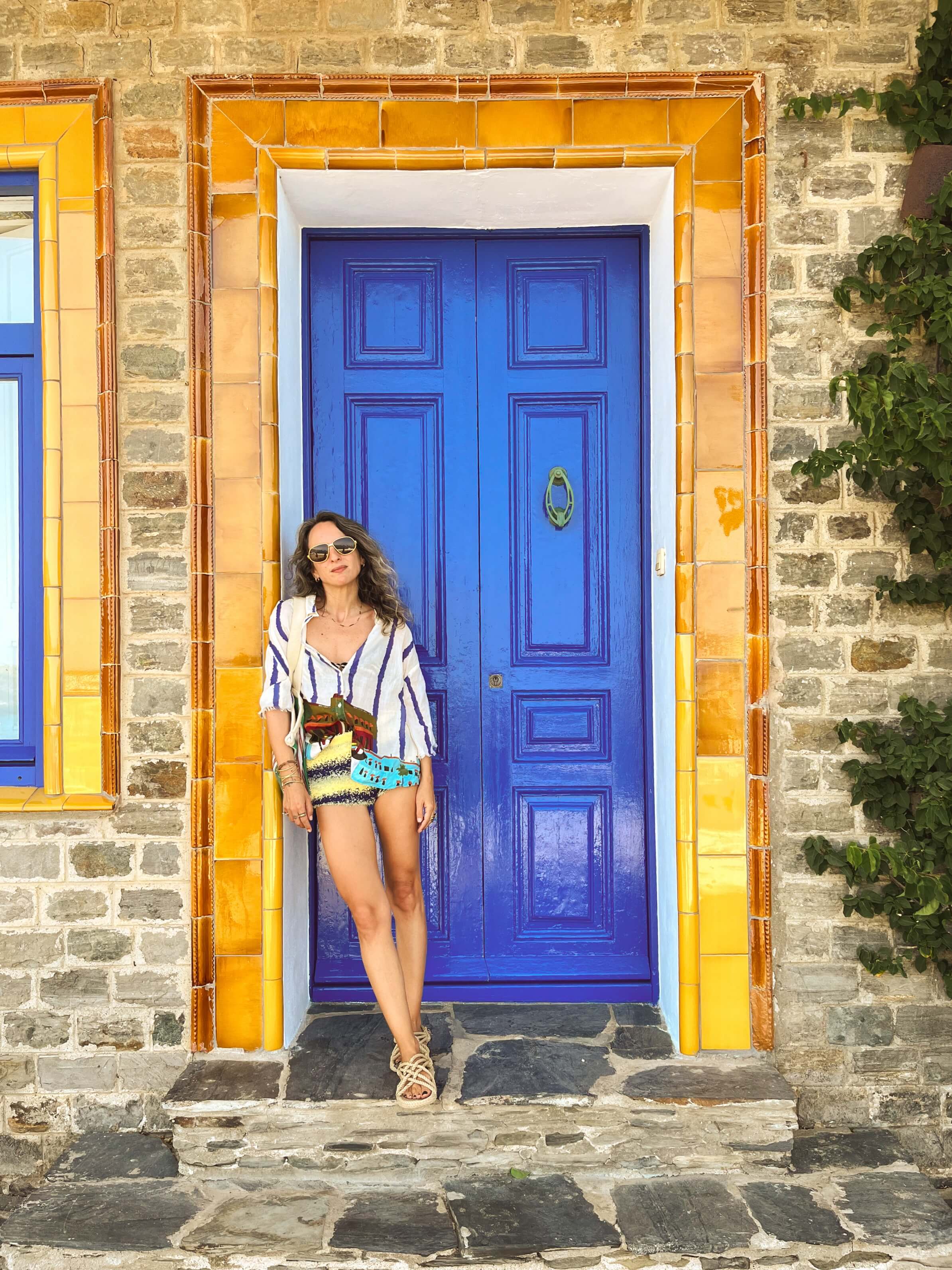
My own routine starts earlier than that. A slow scroll through the old town before the heat settles, then breakfast at SET, which has the best morning table in Cadaqués and, later in the day, some of the best cocktails on the coast. There are a handful of good restaurants, a small selection of independent shops, and the kind of slow morning rhythm that recalibrates your sense of time within about twenty-four hours.
Understanding the Costa Brava before you arrive
The geography that shapes the experience
The name Costa Brava translates loosely as wild coast, and the description holds. The Pyrenean foothills reach the sea here rather than flattening into a coastal plain, producing a coastline of dramatic headlands, small sheltered coves called calas, and clear water that sits at a different temperature and clarity from what you find further south.
The practical division for travelers is between the northern Costa Brava, anchored by Cadaqués, Roses, and El Port de la Selva, and the central and southern coast, which includes Begur, Tamariu, Calella de Palafrugell, and Palamós. These two stretches have meaningfully different characters, and a well-designed journey accounts for that distinction rather than treating the coast as uniform.
Costa Brava towns worth knowing
The central coast offers a gentler version of the landscape. Begur, set on a hill inland with a ruined castle and excellent restaurants, is an ideal base for the coves of the Baix Empordà. Aiguablava and Tamariu are among the most beautiful small beaches on the Mediterranean. Moving north, the landscape becomes more exposed and the towns more individual. El Port de la Selva, on the western side of the Cap de Creus peninsula, shares some of Cadaqués's remoteness without its cultural weight.
The medieval villages of the Alt Empordà interior, particularly Peratallada, Pals, and Púbol, repay a half-day's detour. They sit within an hour of the coast and offer a different register entirely: stone streets, preserved architecture, and the agricultural landscape that Dalí painted throughout his life.
When to go and how long to stay
Summer on the Costa Brava: what to expect
Summer is the defining season on the Costa Brava, and Cadaqués manages it better than most comparable destinations. The town fills in July and August, but its geography limits how crowded it can become. Accommodation is finite. The road is a natural filter. The water temperature is exceptional, typically reaching 24 to 26 degrees Celsius by late July, and the clarity around Cap de Creus is among the best in the western Mediterranean.
The tramuntana, the strong north wind characteristic of this part of Catalonia, can arrive without warning even in summer. A day of tramuntana is genuinely dramatic and not unpleasant if you are prepared for it.
June versus August: a meaningful distinction
June is, by some distance, the most intelligent month to visit if your schedule permits. The light is long, the water is warming, restaurants are not yet under pressure, and locals are present in a way they are not in August. Reservations are easier and the road navigable without the late-afternoon crawl of peak season.
August is high season in every sense. If it is your only option, Cadaqués still delivers. You plan differently: arrive early, book restaurants in advance, and accept that the town's quieter qualities will be available mainly in the early morning.
The case for shoulder season
September rewards the traveler with flexibility. The water remains warm, crowds thin noticeably after the first week, and the light shifts toward a lower, more golden quality that many experienced visitors prefer. October is possible for those who want the landscape and culture without swimming, and offers the Empordà interior at its most appealing, with the harvest under way and the medieval villages returned to themselves.
Getting to Cadaqués: Routing intelligence
Arriving from Barcelona
The standard approach follows the AP-7 motorway north to Figueres, then the GI-614 east toward Roses before the final mountain road into Cadaqués. The drive takes two and a half to three hours depending on traffic. On a summer Friday afternoon that can stretch considerably. Departing Barcelona before ten in the morning or after eight in the evening makes a material difference.
A car is not optional. It is part of how you experience this part of Catalonia. Bus services from Figueres exist but are infrequent and poorly suited to travelers with luggage or any intention of exploring the coast.
The road into Cadaqués and why it matters
The final twenty kilometers from Roses climb over the Serra de Rodes through tight bends with expansive views. In good light it is one of the more memorable driving approaches in Spain. Parking in Cadaqués is managed and finite. In summer the car parks fill by mid-morning, so arriving with a reservation or accommodation in the town makes a considerable difference.
Building Cadaqués into a wider Catalonia journey
Cadaqués works best as the culminating point of a wider itinerary. A well-designed journey might spend two or three nights in Barcelona, move north with a night in Begur or Calella de Palafrugell, cross the Empordà plain through Peratallada and Pals, and arrive in Cadaqués for three to four nights before returning south via Figueres and the Dalí Theatre-Museum. This routing respects the geography and allows the landscape to build gradually from the accessible central coast toward the wilder northern headland.
Cadaqués earns its place at the end of that journey precisely because it asks nothing of you once you arrive. The hiking, the slow mornings in town, the local shops, the long meals. It is the kind of destination that functions as a genuine pause, and in my experience, it is where the trip finally exhales.
What to do in Cadaqués and the surrounding area
Cap de Creus Natural Park
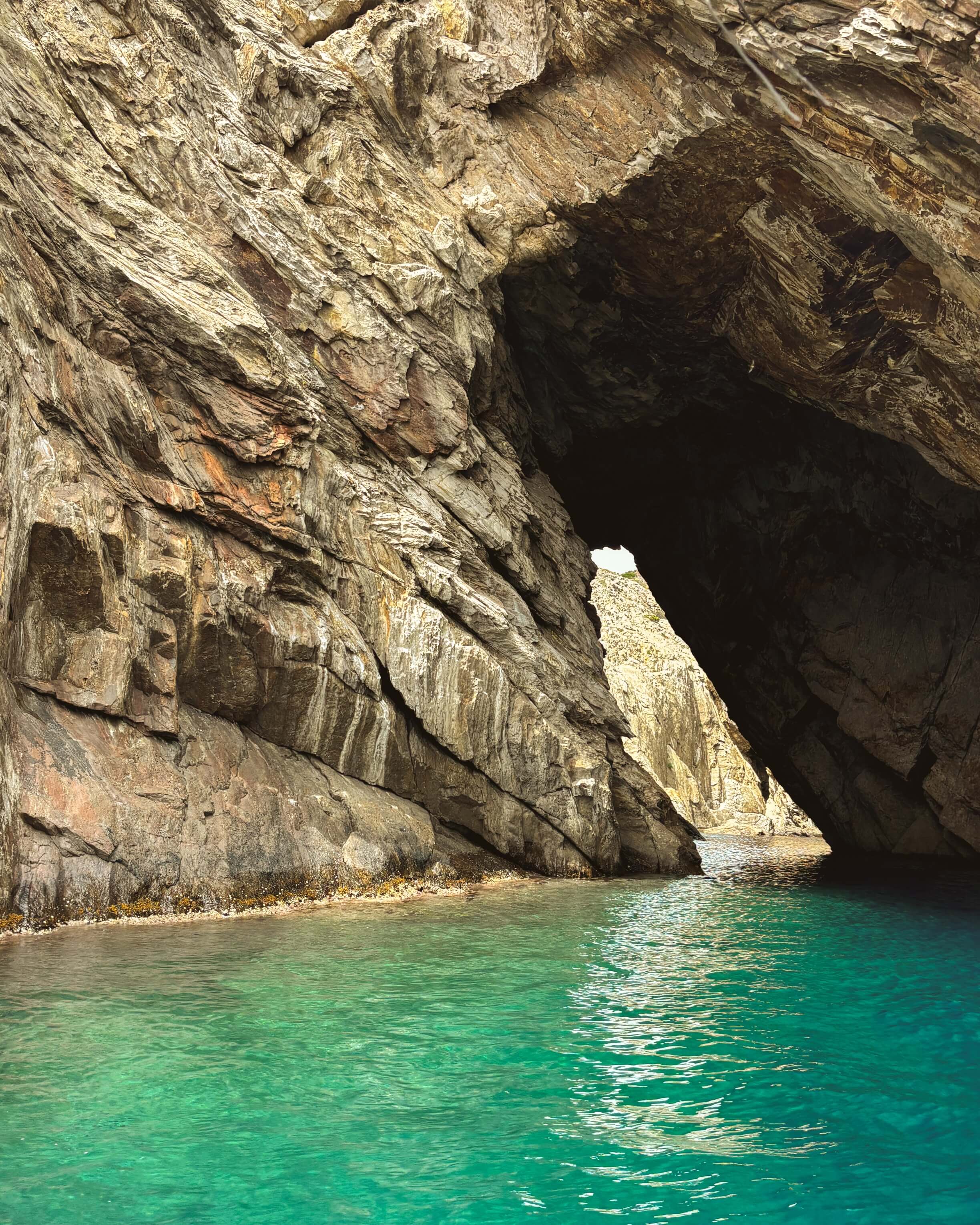
Cap de Creus is the easternmost point of the Iberian Peninsula, and the natural park surrounding it is among the most significant protected landscapes in Catalonia. The terrain is shaped by the tramuntana into rounded schist formations, low scrub, and a coastline of extraordinary clarity. The lighthouse at the cape is reachable by road or trail, and the views on a clear day extend to the Pyrenees in the north and the Medes Islands in the south. The park contains sections of the Camí de Ronda, and the marine reserve around the headland offers snorkeling and diving conditions that are rarely matched on this coast.
The Dalí connection: Portlligat and beyond
Salvador Dalí lived in Portlligat, a ten-minute walk from Cadaqués, for much of his adult life. The house he built incrementally over decades is now a museum and one of the most genuinely interesting artist's homes in Europe. Visits must be booked in advance and are limited in number, which preserves the intimacy the space demands. It is not a large museum. It is a specific and strange place that rewards careful attention.
I have visited the house on every trip to Cadaqués, and it has never felt routine. There is something about standing in the rooms where Dalí actually lived and worked, surrounded by the objects and obsessions that fed his art, that produces a particular kind of feeling. A reminder, perhaps, that a life approached with curiosity and a certain disregard for the ordinary tends to produce something worth seeing. I leave with the same thought every time: that a little strangeness, applied with intention, is rarely a bad thing.
The full Dalí Triangle, which includes the Theatre-Museum in Figueres and the Castle of Púbol, can be covered as a longer day or spread across two for those with a serious interest in the work.
Walking, swimming, and the Camí de Ronda
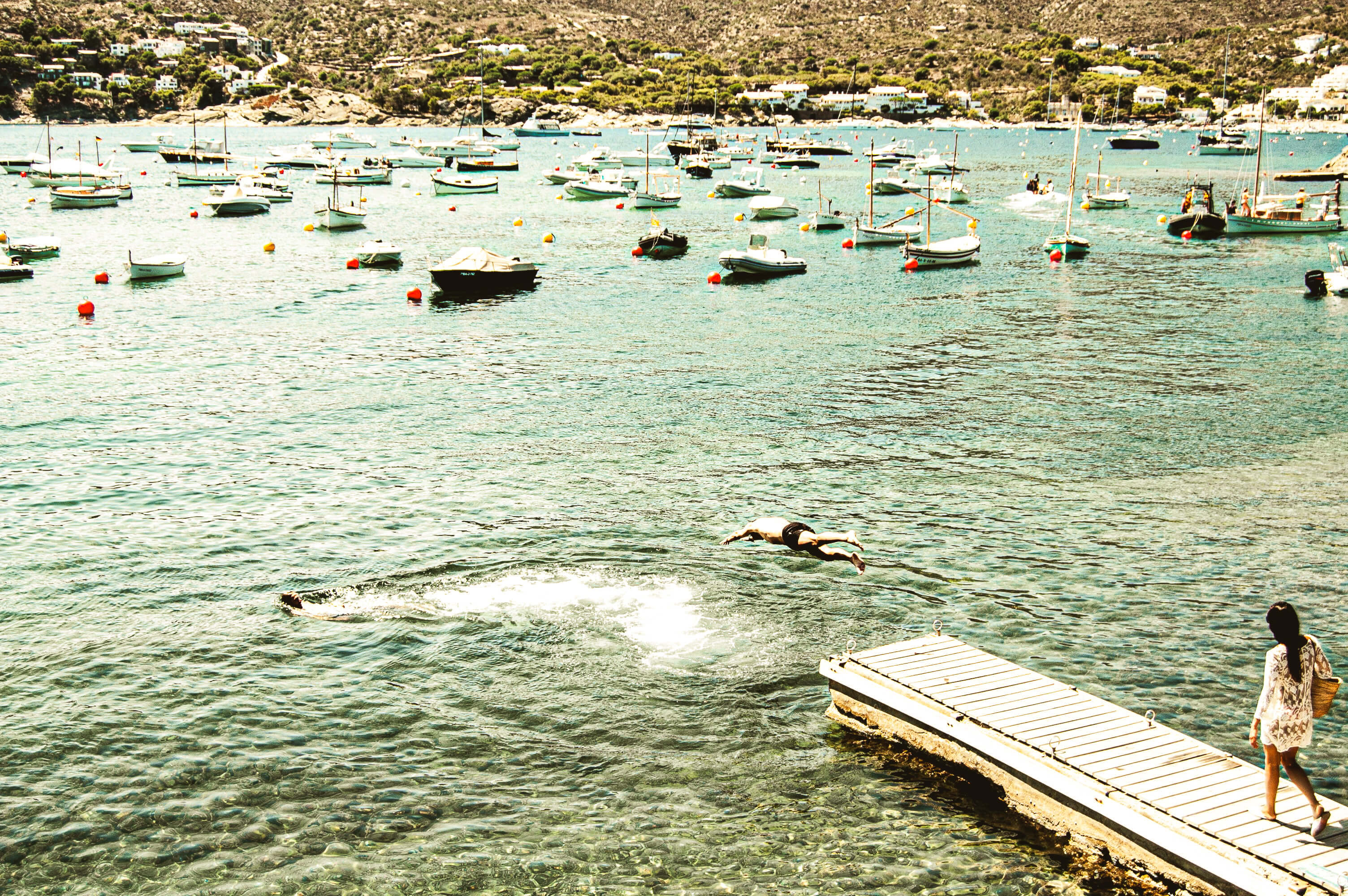
The coastal path north toward Cap de Creus takes roughly two hours at a comfortable pace and passes several coves where swimming is possible. The coves immediately accessible from Cadaqués, including Cala Nans and Es Llaner, offer reliable conditions without requiring transport. Kayaking and paddleboarding are available from town operators and offer a different perspective on the coastline. Rounding Cap de Creus by kayak on a calm day earns its place in any account of this coast.
Eating and drinking well
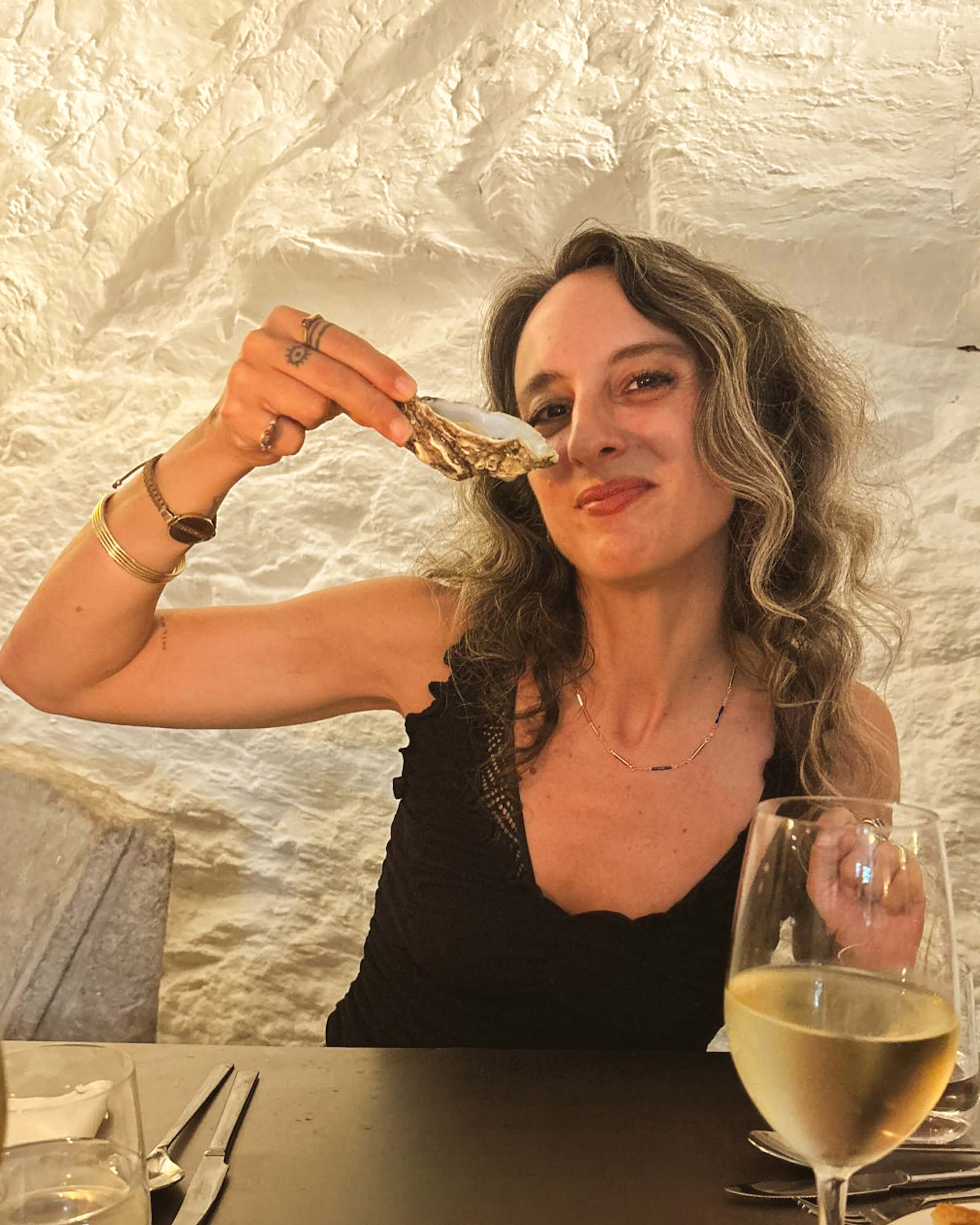
The cooking of the Alt Empordà is rooted in the interaction between sea and agricultural plain. Local seafood, particularly the anchovies from L'Escala, sea urchins, and the rockfish used in suquet, the regional fish stew, is worth seeking out specifically. Wine from the Empordà denomination pairs well with the local seafood and is rarely found at this quality outside the region.
My own table rotation in Cadaqués has settled, over many visits, into a reliable shortlist. Batalla and Es Racó for serious cooking. Narita when the mood calls for something lighter. SET for breakfast, as I mentioned, and for cocktails when the evening stretches. Es Baluard for the kind of unhurried lunch that the town does particularly well. None of these need a reservation weeks in advance, but in July and August, booking ahead is always the sensible choice.
Designing a Costa Brava journey for different travelers
For couples seeking depth over distance
The Costa Brava rewards travel that prioritizes depth over distance. Three nights in Cadaqués, after two on the central coast, gives enough time for the town to settle into something familiar: a regular table, a preferred cove, the rhythm of a morning walk before the day heats up. The combination of good food, serious walking, outstanding swimming, and a cultural layer that does not require a museum-heavy schedule makes for a coherent and satisfying week.
When the group spans generations
Cadaqués and the broader Costa Brava accommodate multigenerational travel with less adjustment than many comparable destinations. The coves are accessible to swimmers of different abilities. The town is compact enough for older travelers to move comfortably on foot. The Dalí sites engage across age ranges in a way that more specialized attractions do not.
Accommodation that provides space for a larger group to gather without requiring everyone to share every meal is available but requires early booking. Villas on the perimeter of town offer more flexibility than hotel configurations. Breaking the journey south to Cadaqués with a stop in Figueres or Roses is worth considering for groups traveling with older members.
FAQs
Is Cadaqués worth visiting in summer?
Yes, with considered planning. June offers the best balance of good weather, warm water, and manageable crowds. July and August are peak season with higher prices and more competition for tables. The town's geography limits how crowded it can actually become, which distinguishes it from more accessible Costa Brava destinations.
How do you get to Cadaqués from Barcelona?
How long should you spend in Cadaqués?
What is the best base for exploring the Costa Brava?
Can you visit Cadaqués without a car?
Is the Costa Brava suitable for multigenerational travel?
Design Your Costa Brava Journey
Cadaqués and the Costa Brava reward careful planning and genuine local knowledge. Contact us to discuss how we design journeys along this coast, from the first routing conversation to the final night in a place worth staying in.
Latest posts

The 2030 World Cup is coming to Spain, Portugal, and Morocco
In 2030 the World Cup comes to Spain, Portugal, and Morocco. Our travel coordinator Pedro Contreras Gonzalez, who has spent over twenty years in hospitality across Spain and the UK, on what has been confirmed, what has not, and what it means for anyone thinking about being there.
Read more

How to design a week in northern Morocco around the 2027 solar eclipse
A week in northern Morocco built around the 2027 solar eclipse combines Tangier, the blue city of Chefchaouen, and Tetouan's UNESCO medina for eclipse day, where four minutes and fifty-three seconds of totality will descend on one of the most culturally extraordinary cities in North Africa.
Read more

How to design a week in Andalusia around the 2027 solar eclipse
A week in Andalusia built around the 2027 solar eclipse covers Seville, Ronda, the Sierra de Grazalema, and Marbella for eclipse day, with enough time to experience one of the great destinations in southern Europe alongside one of the most extraordinary astronomical events of a lifetime.
Read more