
Madrid through a local lens: An American Travel Designer's guide to the city he calls home
A travel designer who has lived and worked in Madrid for years shares the restaurants, neighbourhoods, plazas, and hotel bars that shape his daily life in the city, and a three-day framework for experiencing it the way he does.
By Geoffrey Beaugrand, Travel Designer, Adler Marlow
Madrid is not the city most people arrive expecting. It is louder and quieter than they imagine, simultaneously more European and more specifically Spanish than anywhere else on the continent. It takes a day to find your footing and three days to feel like you understand it. After that, you start to see why people stay.
In this blog, Geoffrey Beaugrand, a travel designer who has lived and worked in Madrid for years, shares the restaurants, neighbourhoods, plazas, and hotel bars that shape his daily life in the city, and a three-day framework for experiencing it the way he does.
I want to start with a confession. I did not choose Madrid. Madrid chose me, the way it tends to choose people who arrive for one reason and stay for an entirely different one. I came to teach English. I stayed because somewhere between learning the language, falling in love with the culture, and discovering what a properly poured caña (small beer) should taste like in a bar that has not changed its menu since 1987, I realised I was not visiting anymore but living.
That distinction matters. Visiting a city and living in it are two entirely different relationships. Visitors see the surface and mistake it for the whole and that's because they usually do not leave the tourist center. Residents learn the texture: the particular emptiness of the street on a Sunday morning, the unwritten rules of etiquette at the local market, the family run 5 table restaurant where the menu is written on a chalkboard, nobody bothers you and the wine costs less than a coffee. In fact they will leave the bottle on the table for you to serve yourself by the glass.
I have been a travel designer for long enough to know what most people think they want from Madrid and that is when I try to steer them in a new direction. It is not the Prado, not the Royal Palace, not a check list of monuments. What they want is the feeling of being in the right place at the right time without having had to plan for it. That feeling is entirely designable and this is my attempt to show you how.
How I ended up in Madrid and why I stayed
From Florence to New York to Madrid
My route to this city was not linear. It started with a semester in Florence that did something irreversible to my sense of what a city could feel like. Then New York, where I ran a private cigar club for a very particular crowd and learned more about hospitality, human character, and the art of creating a room with a specific atmosphere than any formal training could have taught me. Then Madrid, which was supposed to be temporary and became permanent in the way that only the best decisions do.
Let me also be clear that Madrid has changed immensely since I first arrived 12 years ago, it is a completely different city now for better and for worse and knowing how to navigate the city correctly will help to shape your experience.
What the city teaches you when you stop being a visitor
Madrid rewards patience in a way that cities built for tourists do not. The city does not perform itself. It does not arrange its best qualities for your convenience. It runs on its own schedule, which begins later than you expect, and lasts longer than you plan for.
I spent my first year in Madrid being a tourist in the city I lived in. In my second year I started to understand the rhythm. By the third, I had stopped explaining it to myself and started enjoying it, embracing the culture and blending in instead of standing out. That is roughly the arc I try to compress into three days when I design a Madrid trip for someone who has never been here before.

The neighbourhoods worth knowing
Madrid has dozens of neighbourhoods and most travel content covers the same four or five. I am going to cover four, but they are the four that actually matter for the kind of trip I design.
Chamberí (Vibe: Charming mix of new and old)
Chamberi is where I would live if I could choose anywhere in the city. It is the neighbourhood that feels most like the Madrid that Madrid residents actually inhabit: much quieter than the centre, more residential, and full of services that cater to locals such as tailors, shoe repair shops and fruit stalls. The local markets, the now extremely popular Plaza Olavide, the always changing variety of new restaurants coinciding next to century old institutions. Chamberi is home to the locally famous Calle Ponzano which many consider the best place to eat and drink in the entire city.
This is the neighbourhood I take people to when I want them to understand what the city is actually like when it is not performing for visitors. I also highly suggest venturing into its neighboring zones of Arguelles and Moncloa.
Barrio Salamanca (Vibe: refined elegance and international flare)
Salamanca is Madrid at its most polished. Wide streets which are always clean, luxury boutiques, and the particular demographic of well-dressed locals who live here and treat the neighbourhood's restaurants as their domestic dining rooms. It is not a neighbourhood for everyone. It is a neighbourhood for people who want the best version of a certain kind of Madrid: Developed in the 1860s it was inspired by European capitals such as Paris. The neighborhood quickly became associated with Madrid’s elite. Its grand residential buildings, refined architecture, and proximity to the royal court attracted aristocrats, politicians, diplomats, and wealthy families. It is home to some of the most beautiful restaurants, hotels, markets and hangouts. Go shopping, have a stroll, and stay for dinner.
Conde Duque (Vibe: quiet, creative, bohemian)
The area’s charm lies in its streets rather than in one single landmark. The former military complex of Cuartel de Conde Duque, now a cultural center, became a catalyst for the neighborhood’s transformation, hosting exhibitions, concerts, and events that helped establish its creative reputation. Around it, small plazas and quiet streets create a slower rhythm than the busier parts of central Madrid which are just a few football fields away. Places like Plaza de las Comendadoras offer a glimpse of neighborhood life, where people gather on terraces, children play, and locals meet for a coffee or an afternoon drink.
This neighborhood has changed rapidly with the city. What was once a more working-class and everyday part of Madrid has gradually become a cultural and creative center, attracting artists, designers, and new generations while still holding onto its local character.
Barrio Ibiza (local, traditional, family)
Barrio Ibiza is one of Madrid’s most rewarding neighborhoods to explore because it offers a glimpse of the city beyond its famous landmarks. Located directly beside El Retiro Park, it has always been closely connected to the rhythm of local life, where residents use the park as an extension of their own neighborhood for morning walks, weekend strolls, and everyday escapes. It is a great way to combine a visit to the park with a great meal.
For visitors looking to experience how locals actually live, eat, and enjoy the city, Barrio Ibiza offers the perfect balance of history, great food, green spaces, and genuine Madrileño charm.
Salesas (fashionable, design, youthful)
One of Madrid’s most enjoyable neighborhoods to explore on foot, where classic architecture, independent boutiques, galleries, and some of the city’s most interesting restaurants all sit alongside each other. More refined than nearby Chueca but less formal than Salamanca, it has developed a distinct personality built around creativity, design, and a strong local community. The dining scene reflects that mix, with everything from traditional Spanish restaurants to modern, chef-driven concepts and relaxed wine bars. It is a neighborhood where you can spend an entire afternoon moving between a great coffee, a gallery, a glass of wine, and dinner, all while still feeling like you are in a lived-in part of Madrid rather than a tourist district.
Where I eat: restaurants worth planning your day around
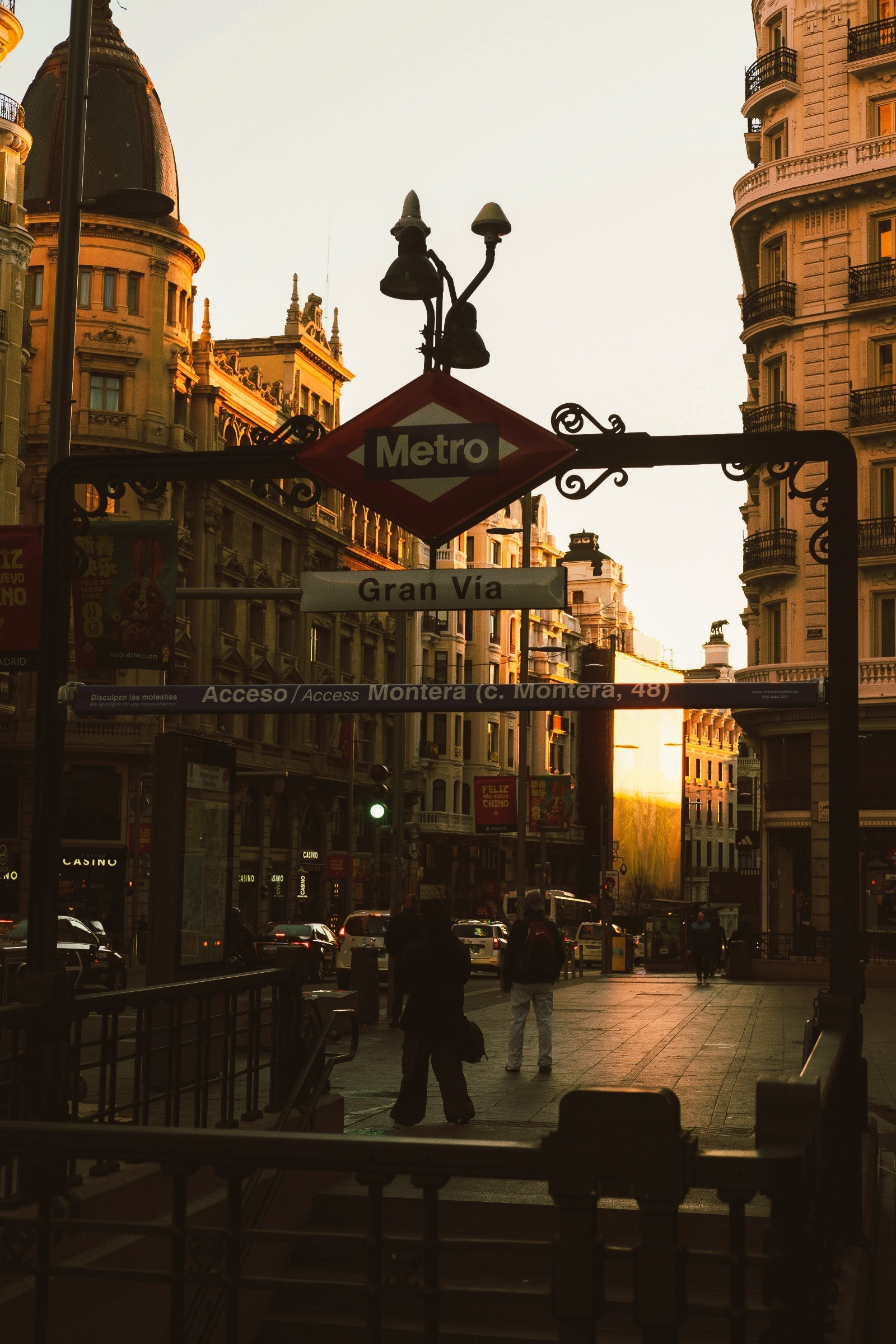
The list below is not comprehensive. It is personal. These are the places I return to, the ones I recommend when friends visit, the ones where something about the room or the cooking or the combination of both keeps pulling me back.
Castelados
Located in Barrio Ibiza/Retiro, Castelados is the sort of place that reminds you how well Madrid does classic restaurants. The room is traditional, the service polished, and the clientele overwhelmingly local. The menu runs from seafood and shellfish to rice dishes and daily specials, but a few dishes stand out: the rabas de calamar, lightly fried and remarkably delicate, and a simple piece of Spanish tuna, just marked on the grill and cooked perfectly. Nothing here is trying to surprise you. The attraction is the quality of the ingredients and the confidence to keep things simple.
La Gaditana
With four locations across Madrid, La Gaditana is one of the city's most reliable addresses for Andalusian cooking. The menu leans south, with fried seafood, fresh tuna shellfish, rice dishes, and a serious sherry list, all served without much fuss. Madrid is not a city we would generally recommend for paella, but if you are determined to order one, La Gaditana is among the better options. More broadly, it is a good example of Madrid's long tradition of restaurants dedicated to the cooking of other Spanish regions, in this case Andalucía.
La Esperanza
La Esperanza, located right on the border of Barrio Las Letras & Lavapies, feels like a neighborhood restaurant that somehow ended up in the middle of the city. It's one of the few places in central Madrid where you can still feel like you're eating and drinking alongside locals rather than visitors. The crowd is young, local, and stylish without trying too hard, and the space works equally well for a quick vermouth and a few snacks at the bar or a full meal. The cooking takes familiar Spanish dishes and gives them a lighter, more contemporary treatment, with more than a little influence from Barcelona's restaurant scene. It strikes a balance that many places aim for and few achieve: casual enough for a drink, serious enough for dinner, and a welcome oasis in the center when much of the area around it can feel geared toward tourists.
Filemon
Located in Chamberí, Filemón occupies a sweet spot between a traditional neighborhood restaurant and a more contemporary bistro. The room is lively and informal, filled largely with locals who come as much for the atmosphere as the food. The cooking starts with familiar Spanish foundations but isn't especially bound by them, drawing in influences from elsewhere and presenting dishes in a more modern, shareable format. You might find a classic Madrid staple sitting alongside something with Asian or Mediterranean accents, all plated with a little more care than you'd expect from a neighborhood spot. The result is food that feels current without being trendy, making Filemón just as suitable for a few dishes and wine at the bar as for a full dinner with friends.
El Lando
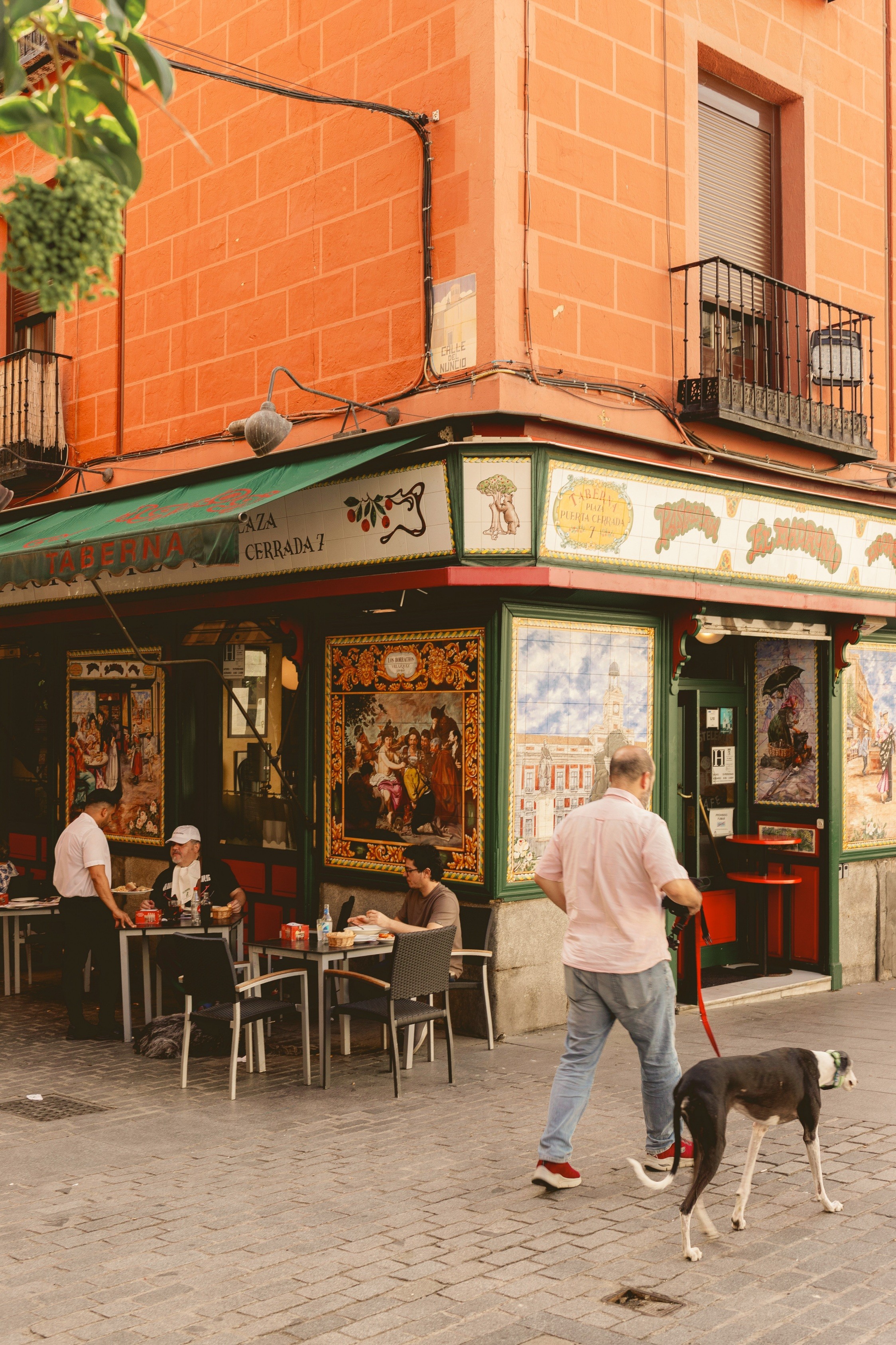
Tucked into the edge of La Latina, El Landó feels like a classic Madrid steakhouse from another era. The dining room is old-school in the best sense: white tablecloths, veteran waiters who move with quiet efficiency, and walls lined with photographs of the politicians, actors, athletes, and other familiar faces who have passed through over the years. The cooking is straightforward and deeply traditional, built around excellent ingredients and precise execution rather than novelty. Most people come for the beef, whether a steak or chuletón to share, accompanied by the restaurant's famously crisp hand-cut fried potatoes. Add a martini to start and you have one of the most enduring formulas in Madrid dining. El Landó is a reminder that some restaurants earn their reputation not through reinvention, but through decades of getting the basics exactly right.
HER
Located in Barrio de Salamanca, HER represents the side of Madrid’s dining scene that feels most connected to the city’s newer generation of restaurants. The cooking is Mediterranean-inspired, centered on local artisan products and seasonal ingredients, with a wine list that leans toward low-intervention producers. The space is high-design and contemporary, but the atmosphere remains relaxed and casual, the kind of place that works as well for a glass of natural wine and a few plates as it does for a full meal. Standout dishes include the house pizzas, seasonal vegetable preparations, and thoughtfully executed small plates that balance Italian influence with a broader Mediterranean approach
El Doble
Located on Calle Ponzano in Chamberí, El Doble is one of Madrid’s great traditional beer bars and a place that feels increasingly rare in the city. There is a reason its Google rating is not higher, and it has little to do with the food. The service can be abrupt, the room chaotic, and there is no hand-holding. No English, no easy path to a spot at the bar, and no guarantee anyone will notice you. You have to understand the rhythm of the place, make yourself known, and earn your order.
For those who do, the reward is one of Madrid’s most authentic bar experiences: perfectly poured cañas, a marble counter, tiled walls, and a steady stream of locals ordering simple, excellent food. The go-to orders are the baby lamb chops, grilled shrimp, and a mix of cooked and raw shellfish. El Doble is not about service or reinvention. It is about tradition, atmosphere, and doing the essentials better than almost anyone.
El Cisne Azul (Taberna)
Located on Calle Gravina, on the edge of Chueca and Salesas, El Cisne Azul Taberna is one of the last standing institutions in an area that has changed dramatically over the years. Surrounded by a younger, more design-focused neighborhood, this small and traditional bar has stayed true to what it does best: exceptional seasonal mushrooms and simple, ingredient-driven cooking.
The move is to grab a seat at the bar, ask what is best that day, and order accordingly. The musts are the seasonal mushroom dishes, especially boletus with foie, mushrooms with egg, grilled meats, and a good glass of wine. The atmosphere is intimate and unpretentious, with a loyal local crowd and the feeling of a place that has earned its reputation over time rather than through trends. El Cisne Azul is a reminder of the older Madrid that still exists beneath the city’s constant reinvention.
The plazas and parks that actually matter
Madrid is a city of plazas, and the ones worth knowing are rarely the ones on the tourist map.
The plazas with character
Plaza del Rey, Calle Barquillo
This is the plaza I send people to when they ask me where to go when they do not know where to go. It is small, it is calm, and it has exactly the right number of bars facing it and it's centrally located but still feels local.
Plaza Santa Barbara
Sits in the northern part of the centre and has a neighbourhood quality that the more famous plazas have lost. The terraces fill in the evening with locals rather than tourists, and the light in the late afternoon is worth planning around.
Plaza Olavide
The heart of Chamberi and the plaza I return to most often. The market beneath it, the bars around it, and the particular rhythm of the neighbourhood that flows through it make it the best single spot in Madrid for understanding what the city is like when it is not trying to impress anyone. If it's too packed try Plaza de Chamberi in the same zone.
Plaza de Espana
Has been recently renovated and recovered a quality of civic space that years of underuse had eroded. It is large, well-planted, and connects the centre to the western parks in a way that makes it a natural part of any west-facing itinerary. This is a great area to take kids as it has some newly constructed play areas, green spaces and cool off points.
The parks worth the walk
El Retiro
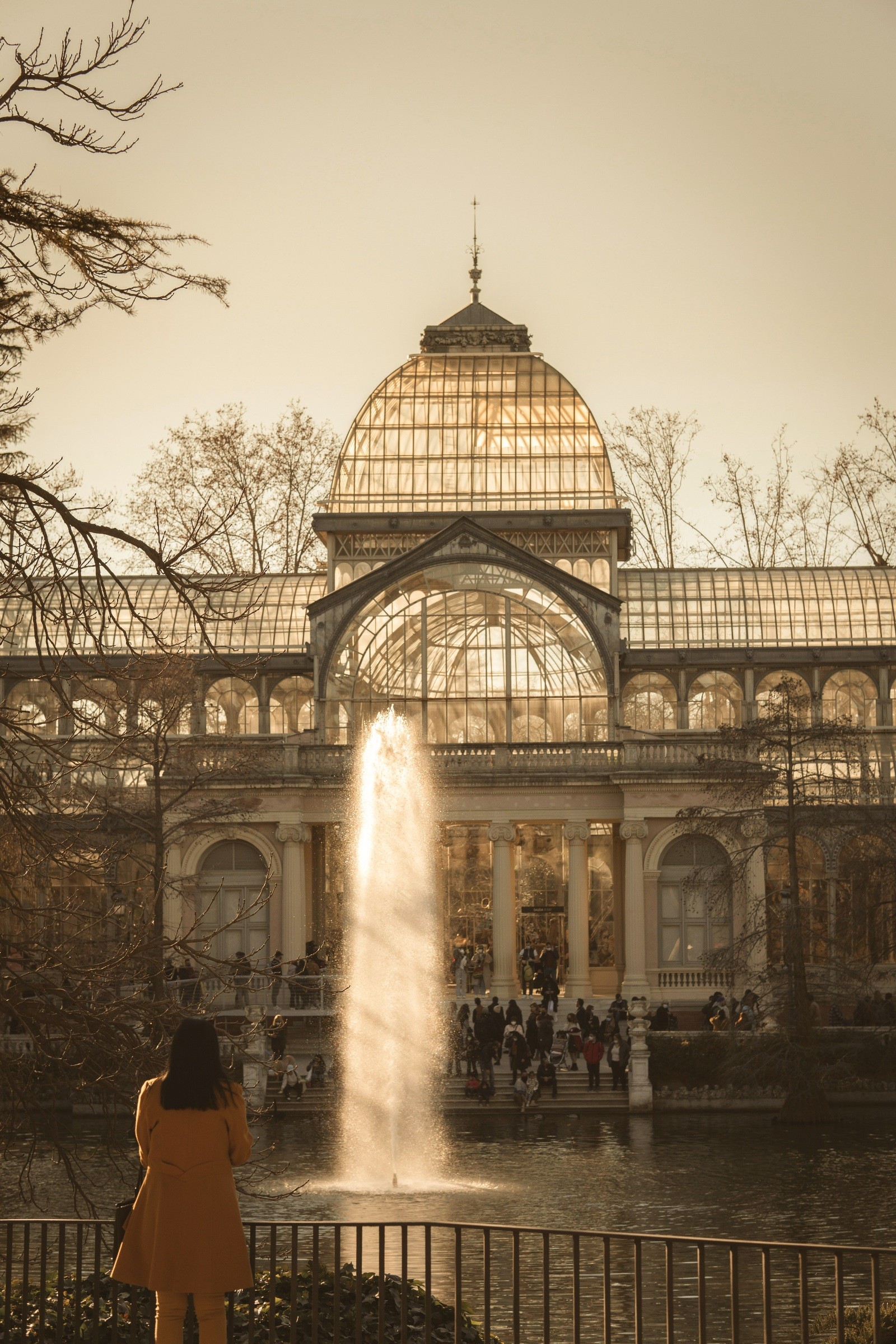
The park everyone visits and the park that rewards visiting anyway. The Palacio de Cristal, the Estanque, the particular quality of the morning light in the formal gardens before the city fully wakes up. It earns its reputation.
Parque del Oeste
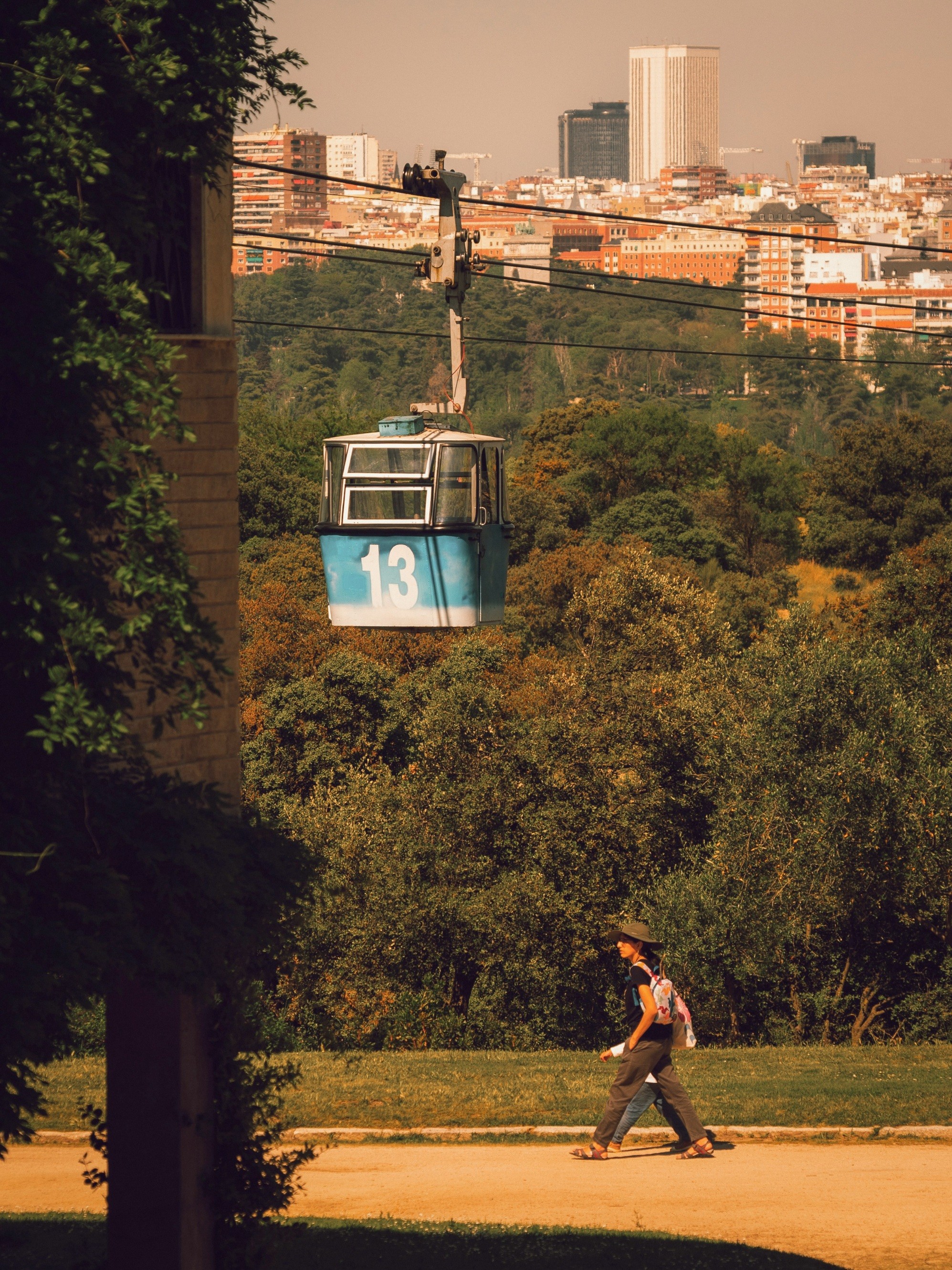
The park almost no one visits and the one I prefer on most days. It runs along the western edge of the city above the Manzanares, connected to the Rosaleda rose garden and to the Egyptian Temple of Debod at the top of the hill. The views west from the upper section are among the best in Madrid.
El Campo del Moro
Sits below the Royal Palace and above the river, a formal garden that is rarely crowded and rewards the slightly complicated approach it requires. Most visitors arrive at the Palace from the east. The western approach through Campo del Moro is the better one.
Hotel bars when you need an oasis
Santo Mauro Hotel Garden Bar
Located in Chamberí, the garden terrace at Santo Mauro is one of Madrid's best places for a quiet drink. Hidden behind the walls of a 19th-century palace, it feels completely removed from the city, with mature trees, manicured gardens, and the kind of calm that is increasingly difficult to find in central Madrid. It is elegant without feeling exclusive, making it just as suitable for an afternoon coffee as a pre-dinner cocktail or a late evening drink.
Rosewood Villa Magna
The Rosewood Villa Magna on Paseo de la Castellana is one of the great hotel bars in Madrid. The bar is calm, well-staffed, and produces cocktails with the kind of precision that reflects a serious investment in the craft. It is the place I take people when I want some peace and quiet in a beautiful cool and calm space
Thompson Hotel rooftop
The Thompson Hotel rooftop is a different proposition from the Villa Magna: younger in energy, more urban in its view, and better suited to the early evening hour when the city is transitioning from afternoon to night and the light is doing something worth seeing. Madrid's rooftops are often always packed, lines out the door but as the Thompson is a bit more off the radar it's more accessible and can even be a great place to get some work done.
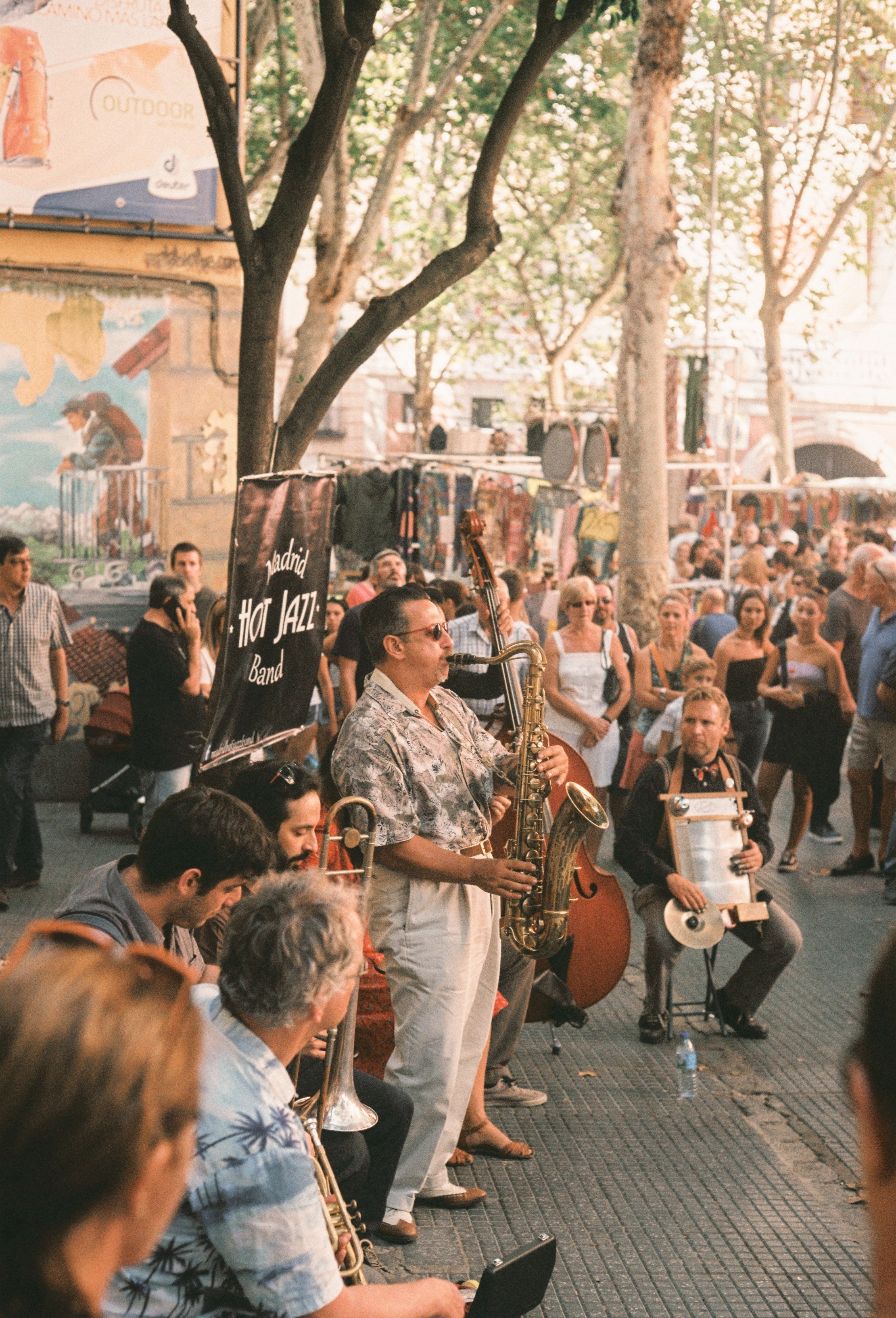
How to design 3 days in Madrid
Three days is enough to understand Madrid properly if they are designed with the right logic. Not too much. Not too structured. Enough space for the city to show you something you did not plan for.
Day 1: Chamberi and Malasana
Start in Chamberi. Morning coffee somewhere local, a walk through Plaza Olavide, and the market at Vallehermoso if the timing aligns. Lunch in the neighbourhood at Taberna De Lea, unhurried. After a siesta and a shower. The afternoon is for Malasana and Conde Duque: walking, browsing, and a gelato in Plaza Dos De Mayo. Share some small plates and a bottle of natural wine at Casa Botella or opt for a more formal dinner at La Fragua De Sebin.
Day 2: Salamanca and Salesas
Salamanca in the morning, when the neighbourhood is at its calmest and the streets around Calle Serrano and Calle Hermosilla reward unhurried walking. The shoe stores in this area are unmatched. Locally owned stores selling high quality shoes of all types, made in Spain. Stroll through the local market, Mercado De La Paz. Stop for a tapa and a cold drink at Juracha or La Bien Tirada. Always take time for siesta as the city tends to shut down at 4pm and starts up again around 8pm. Spend tour evening in Salesas starting on calle Barquillo with a walk through Plaza Del Rey, browse the boutiques the line the street. Dinner at Casa Salesas is always a good idea, make sure to have a reservation.
Day 3: parks, plazas, and a long lunch
The third day is the one with the least structure, which in Madrid means it will be the best one. El Retiro in the morning. Campo del Moro if the legs allow. Parque del Oeste in the early afternoon. A long lunch somewhere on the list or head out to El Filandon, a restaurant located outside of the city next to the former hunting grounds of the royal family, chosen by mood. The Thompson rooftop at sunset.
FAQs
What is the best neighbourhood to stay in Madrid?
It depends on the kind of trip. Chamberi for the most residential, local experience. Salamanca for the most polished. Malasana for the most energetic. Las Letras for the most central access to good food and evening life. For most first-time visitors, Las Letras or the edges of Chamberi offer the best combination of access and character. If you want everything at your doorstep while also being away from the crowds and noise, choose Barrio Salamanca.
How many days do you need in Madrid?
Is Madrid good for couples?
Is Madrid good for small groups?
When is the best time to visit Madrid?
Does Madrid require a car?

Design your Madrid trip with a local
This guide was written by someone who actually lives in Madrid. Contact us to discuss how we design trips that feel nothing like a guidebook.
Latest posts

How to design a week in northern Morocco around the 2027 solar eclipse
A week in northern Morocco built around the 2027 solar eclipse combines Tangier, the blue city of Chefchaouen, and Tetouan's UNESCO medina for eclipse day, where four minutes and fifty-three seconds of totality will descend on one of the most culturally extraordinary cities in North Africa.
GET RESOURCES

How to design a week in Andalusia around the 2027 solar eclipse
A week in Andalusia built around the 2027 solar eclipse covers Seville, Ronda, the Sierra de Grazalema, and Marbella for eclipse day, with enough time to experience one of the great destinations in southern Europe alongside one of the most extraordinary astronomical events of a lifetime.
GET RESOURCES

What to know before eclipse day 2027: insider tips for 2 August
The 2027 eclipse is four minutes of totality. The preparation before it determines whether those four minutes are everything they should be. This insider guide covers road closures, booking timing, cloud contingencies, eclipse glasses, and what to expect hour by hour on 2 August.
GET RESOURCES