
Gaudí Year 2026: what three expert guides want every traveler to know
In 2026, Gaudí's greatest project reaches completion. Barcelona has declared a full centenary year. Three guides who have spent years inside his buildings share what every traveler should know before they go.
This year, Barcelona marks the 100th anniversary of Antoni Gaudí's death, the architect whose work drew visitors from every corner of the world long before anniversaries gave them an additional reason to come. This article brings together three Adler Marlow guides - Vanessa, Andrew, and Alex - each with years of experience guiding travelers through his buildings. They were asked the same questions. Their answers went in different directions. That is the point.
Introduction: why Gaudi, why 2026, and what this guide will give you
Antoni Gaudi is one of the most significant architects in the history of Western design, and Barcelona is the city that contains almost all of his major work. Travelers come from across the United States, Europe, Asia, and beyond to walk through his buildings, take guided tours structured around his creative vision, and spend days in a city that his architecture helped define. His work draws more dedicated architectural tourism than almost any other single figure in the world.
2026 is not just another year to visit Barcelona. The Spanish and Catalan governments have officially declared it Any Gaudi 2026, a full year of cultural programming, exhibitions, guided experiences, and events built around the centenary. Barcelona has simultaneously been designated the 2026 World Capital of Architecture. The Sagrada Familia, the project Gaudi devoted the last years of his life to, is reaching completion this year after more than 140 years of construction. These three things together make 2026 an exceptional moment to go.
This article is designed to help you make the most of it. We asked three of our Barcelona guides who know Gaudi's work most deeply the same set of questions about the ideal visit, the sites worth prioritizing, what most travelers miss, and how to understand the man behind the architecture. Their answers are different because the travelers they serve are different. Reading all three gives you the full picture.
Why our guides are different: three perspectives, one subject
Most travel guides to Gaudi's Barcelona cover the same ground: the Sagrada Familia, Park Guell, Casa Batllo, Casa Mila. The buildings are extraordinary, and they deserve their reputations. But the difference between a good Gaudi day in Barcelona and an exceptional one is not which buildings you visit. It is the knowledge and the perspective you bring to them.
Vanessa, Andrew, and Alex are three Adler Marlow guides who have each spent years working with travelers in Barcelona, guiding them through Gaudi's work from different angles and for different audiences. We asked them all the same questions, because we wanted to see where their answers aligned and, more importantly, where they diverged. The divergence is where the value is.
Vanessa's answers are grounded in the essential: the sites that always deliver, the technical intelligence that most visitors overlook, the historical and natural context that makes the buildings legible. Andrew's answers are the most practical and the most insider-facing: the underrated buildings, the exclusive access experiences, the timing and booking intelligence that separates a designed visit from a standard one. Alex's answers go furthest into the philosophy: the way of looking that changes everything once you have it, and the less obvious places that tell Gaudi's story most completely.
Whether you are planning a first visit to Barcelona, returning with Gaudi specifically in mind, or designing a trip for clients who want to go beyond the surface of his work, one of these three perspectives will be yours. Most likely, elements of all three will be.
Gaudi and Barcelona: why millions of travelers come specifically for his work
Antoni Gaudi is among the most visited architects in the world, which is an unusual distinction for a figure who died nearly a century ago. His buildings in Barcelona attract tens of millions of visitors every year. The Sagrada Familia alone is Spain's most visited monument. Park Guell, Casa Batllo, and Casa Mila each draw millions more. Organized tours built around his work are among the most requested itinerary components for Barcelona travel across every major source market.
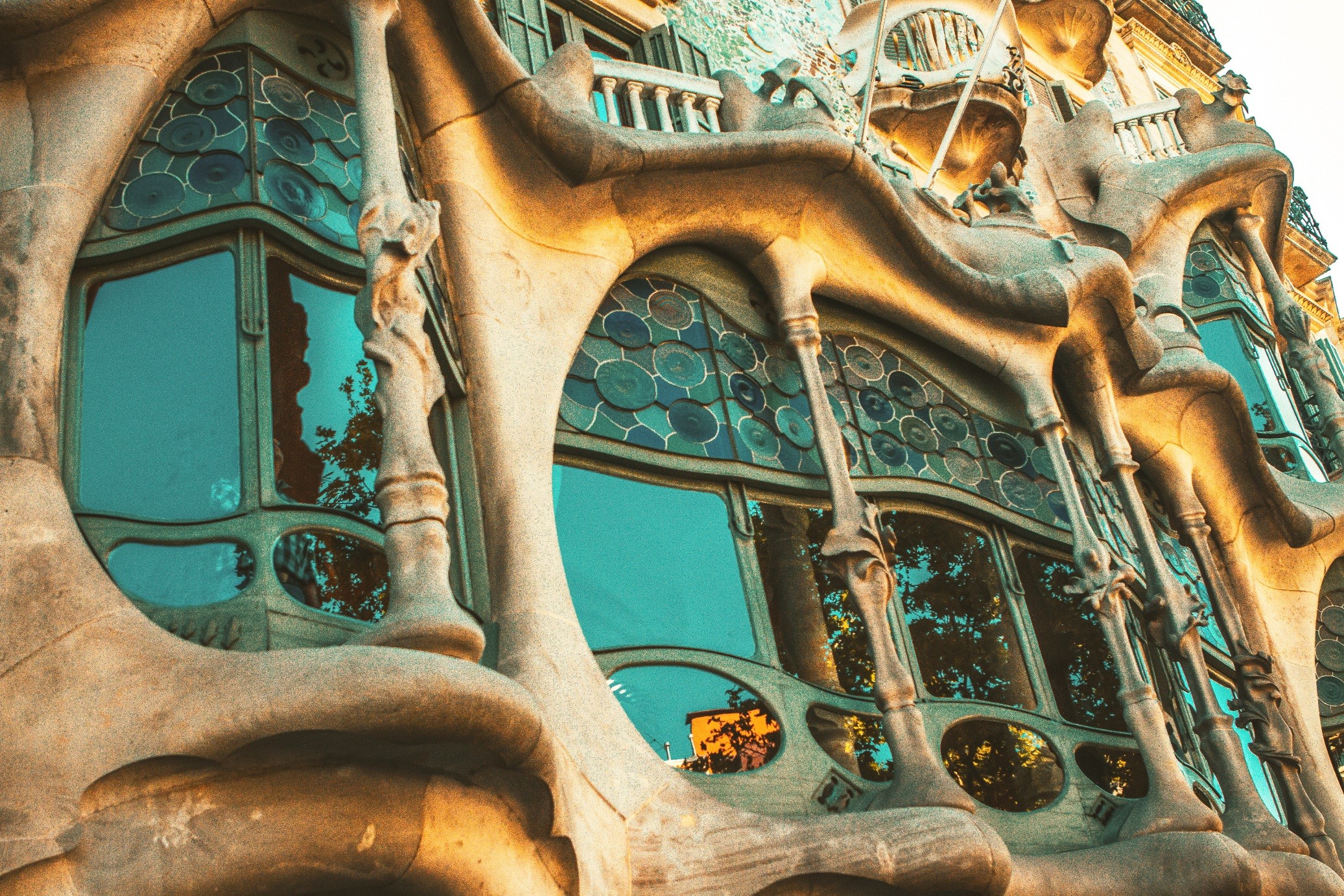
The reason is not difficult to understand. Gaudi's architecture is unlike anything else ever built. He drew his structural and visual language from the natural world, from the geometry of bones and shells and branching trees, and combined it with an extraordinary engineering intelligence and a deeply held spiritual vision. The result is a body of work that looks organic, alive, and entirely without precedent. No other city in the world has a comparable concentration of buildings by a single architect of this significance, all accessible within a few kilometers of each other.
In 2026, the cultural moment amplifies all of this. The centenary programming adds depth and context to the standard itinerary. The completion of the Sagrada Familia adds a historical dimension that will not be available in any future year. And the city's designation as World Capital of Architecture means the broader cultural offer around Gaudi's work is richer this year than it has ever been.

The sites that always earn their place
When asked to design the ideal Gaudi experience for the centenary year, Vanessa's answer is precise. The Sagrada Familia. Park Guell. Casa Vicens. Casa Mila. Not because these are the default choices, but because across years of guiding they are the sites that consistently deliver on the full promise of what Gaudi's architecture is. Each one occupies a different register in his body of work, and together they give a visitor the range they need to understand how his vision evolved.
The Sagrada Familia is the non-negotiable. This year carries particular weight: the basilica, which began construction in 1882 and has been financed entirely through visitor donations, is reaching completion in the centenary year of its architect's death. Standing inside it in 2026 is standing inside a moment that will not repeat.
Casa Vicens, Gaudi's first major commission and the building where his voice first became fully his own, rewards inclusion on any serious Gaudi itinerary. It receives significantly fewer visitors than the Passeig de Gracia buildings and offers an intimacy that the more celebrated sites cannot. Casa Mila, known as La Pedrera, is the building that most fully demonstrates Gaudi's mature vision: the rooftop sculptural forms, the flowing stone facade, the sense of a building that has been grown rather than built.
The technical genius most visitors miss
The most important shift Vanessa wants visitors to make is one of register. Gaudi's buildings are not primarily beautiful. They are technically extraordinary, and the beauty is a consequence of that technical achievement rather than a decoration applied over it.
Visitors are easily captured by the decorative surface and the visual drama, she notes. What they often miss is the engineering underneath. Gaudi was not an artist who happened to build things. He was an engineer who understood structural forces in ways that his contemporaries could not, and who found those structural solutions in the natural world. The curve of a bone. The branching logic of a tree. The compression of a shell. These were not decorative motifs for him. They were structural models he observed, tested, and applied with precision. That reframing changes the experience of every building on the itinerary.
Nature, faith, and the historical moment
To understand the person behind the work, Vanessa points to two things: nature and the historical moment he was born into. Gaudi came of age during the Catalan Renaixenca, the cultural and political renaissance of Catalan identity in the second half of the nineteenth century, at exactly the moment when Barcelona was undergoing its most dramatic expansion. A city with ambition and the wealth to express it, and an architect who understood both nature and structure as expressions of something larger than either. The work that resulted from that convergence is still being finished, one hundred years after his death.

The underrated sites worth prioritizing
Andrew's first move is always toward the buildings most visitors skip. Palau Guell. Casa Vicens. His reasoning is specific: these are Gaudi's earlier commissions, less famous, significantly less crowded, and they offer a quality of attention that the Passeig de Gracia circuit can no longer provide. For a traveler who wants to experience Gaudi's work rather than simply visit it, these are the places to begin.
Palau Guell, built between 1886 and 1890 as the private residence of Gaudi's great patron Eusebi Guell, is the building Andrew would not miss. What makes it worth the visit is its quality of contrast. The exterior is austere, almost severe, with parabolic arches that suggest discipline rather than excess. The interior is the opposite: a sequence of extravagantly decorated rooms built around a central dome, with marble, carved wood, and ceramic tile that make clear that whatever limits Gaudi had were not aesthetic ones. It was his first major commission for Guell, and the project that established the terms of one of the most important patron-architect relationships in the history of architecture.
Casa Vicens, Gaudi's first significant work, completed in 1888 in the Gracia neighborhood, shows the earliest version of a sensibility that would later become unmistakable. The Moorish and Oriental influences are stronger here than in any later building. The ceramic tile work on the facade is extraordinary. And the limited visitor numbers mean the experience retains the quality of personal engagement that the more famous sites have largely lost.
How to book, when to arrive, what to ask for
Andrew's practical advice is specific. Book a private guide well in advance, especially for 2026. Arrive at the first hour of opening or the last. The centenary year will bring visitor volumes to the major sites that make unguided visits at peak hours a genuinely diminished experience.
At the Sagrada Familia, always book the towers, preferably the Nativity towers. The perspective from the towers and the close reading of the sculptural program they enable are qualitatively different from the interior visit alone. Casa Batlló offers exclusive breakfast experiences with VIP visits, which Andrew flags as a strong option for those who want an intimate relationship with the building before the crowds arrive. For a considered end to the day, he describes an experience he used to design for clients: a cava and picnic at sunset in the free public area of Park Guell, above the monumental zone rather than within it, where the views over the city at that hour produce a very different experience from the crowded lower section.
The off-the-beaten-track Gaudi beyond the city center
For those with the time and the curiosity, Andrew points toward two significant sites that most visitors never reach. Colonia Guell, outside Barcelona in Santa Coloma de Cervello, was an experimental workers' colony where Gaudi designed the crypt of the colony church, a structure that served as the engineering laboratory for the structural ideas he would later apply at the Sagrada Familia. The colony itself is a remarkable piece of Catalan industrial history in its own right.
Torre Bellesguard, in the upper part of Barcelona near the Collserola hills, is the building both Andrew and Alex specifically flag as the most underrated Gaudi work in the city. More on that in Alex's section below.

A different kind of itinerary
Alex's approach to designing a Gaudí experience begins somewhere different. Rather than starting with the famous buildings, she would design an experience that helps travelers understand the man behind the architect, combining the sites most people visit with the places most people miss, and threading them together with a way of looking that changes what you see at every stop.
Her itinerary would begin at Torre Bellesguard. Then the crypt of the Sagrada Família. Then Sant Felip Neri. These three places, she argues, tell the story of Gaudí more completely than any combination of his major works can. And they are all, in different ways, almost entirely overlooked.
The places that tell his story most completely
Torre Bellesguard, on the northern edge of Barcelona below the Collserola hills, is Gaudí's most historically layered work. Built between 1900 and 1909 on the ruins of a medieval royal palace, it incorporates the original medieval structure into its design in a way that makes it simultaneously a piece of architecture and a piece of archaeology. From the outside it reads like a Gothic fortress. Inside it is something else: an experimental space where many of the structural and ornamental ideas that would later appear in Park Güell and the Sagrada Família were first developed. Alex describes it as one of Gaudí's great experimental canvases. It is also one of the least visited significant buildings in the city, which means a visit there offers a quality of attention that no other Gaudí site can match.
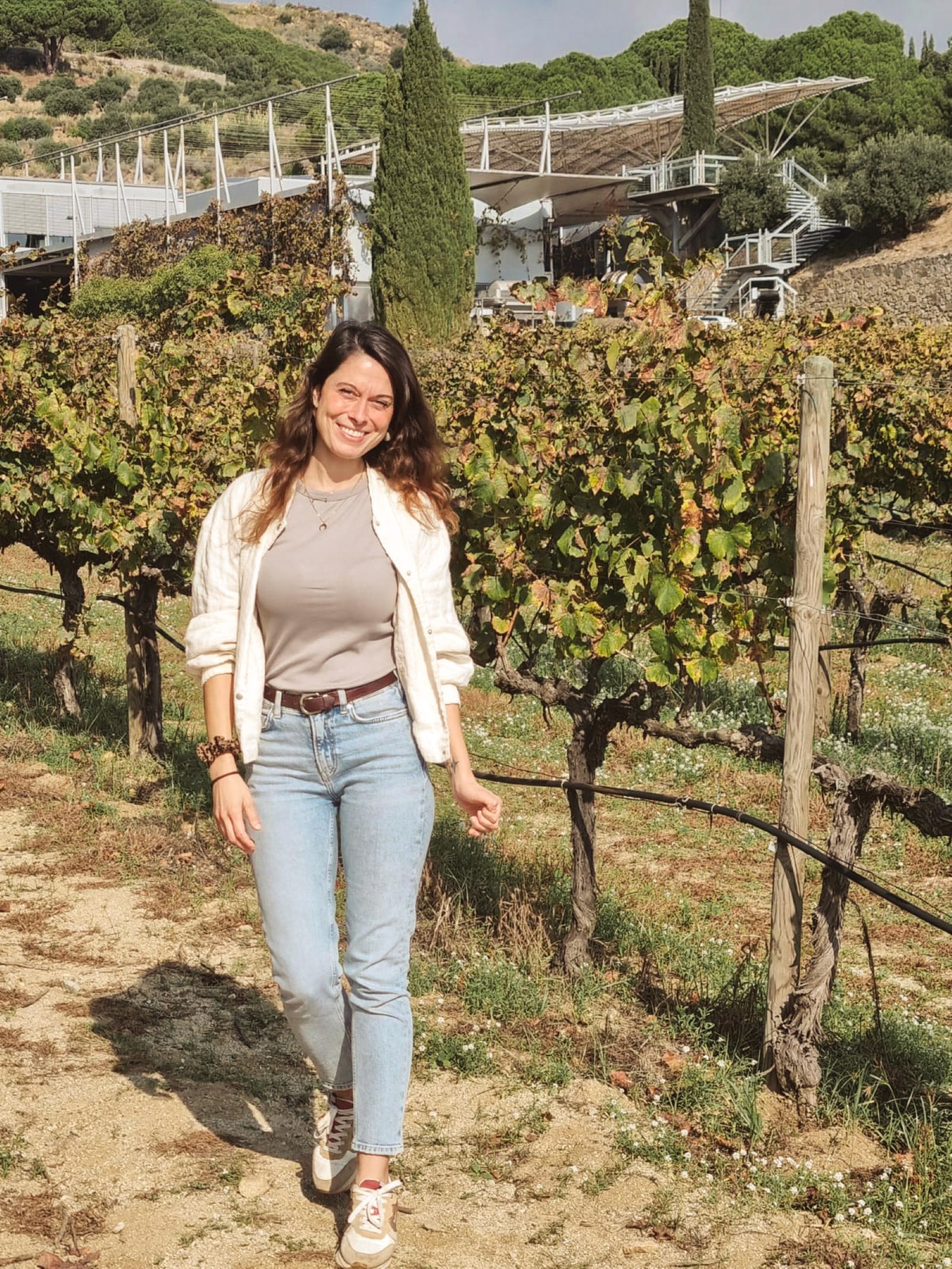
The crypt of the Sagrada Família is where Gaudí is buried, and it sits beside what was once his studio. Almost everyone who visits the basilica spends their time looking up. Almost no one visits the crypt. Yet it is, Alex says, probably the most intimate place connected to Gaudí in the entire city. In the small studio next to the apse, slightly above where the crypt is today, he worked and slept during the final years of his life, simplifying his existence entirely in service of the project. That studio was destroyed in the fire of 1936. The crypt beside it was where he came to pray and find spiritual reflection, a space of connection that anchored the extraordinary effort happening around it. Standing there, knowing both the loss and the devotion that shaped this place, changes the experience of the building above in ways that a standard visit cannot.
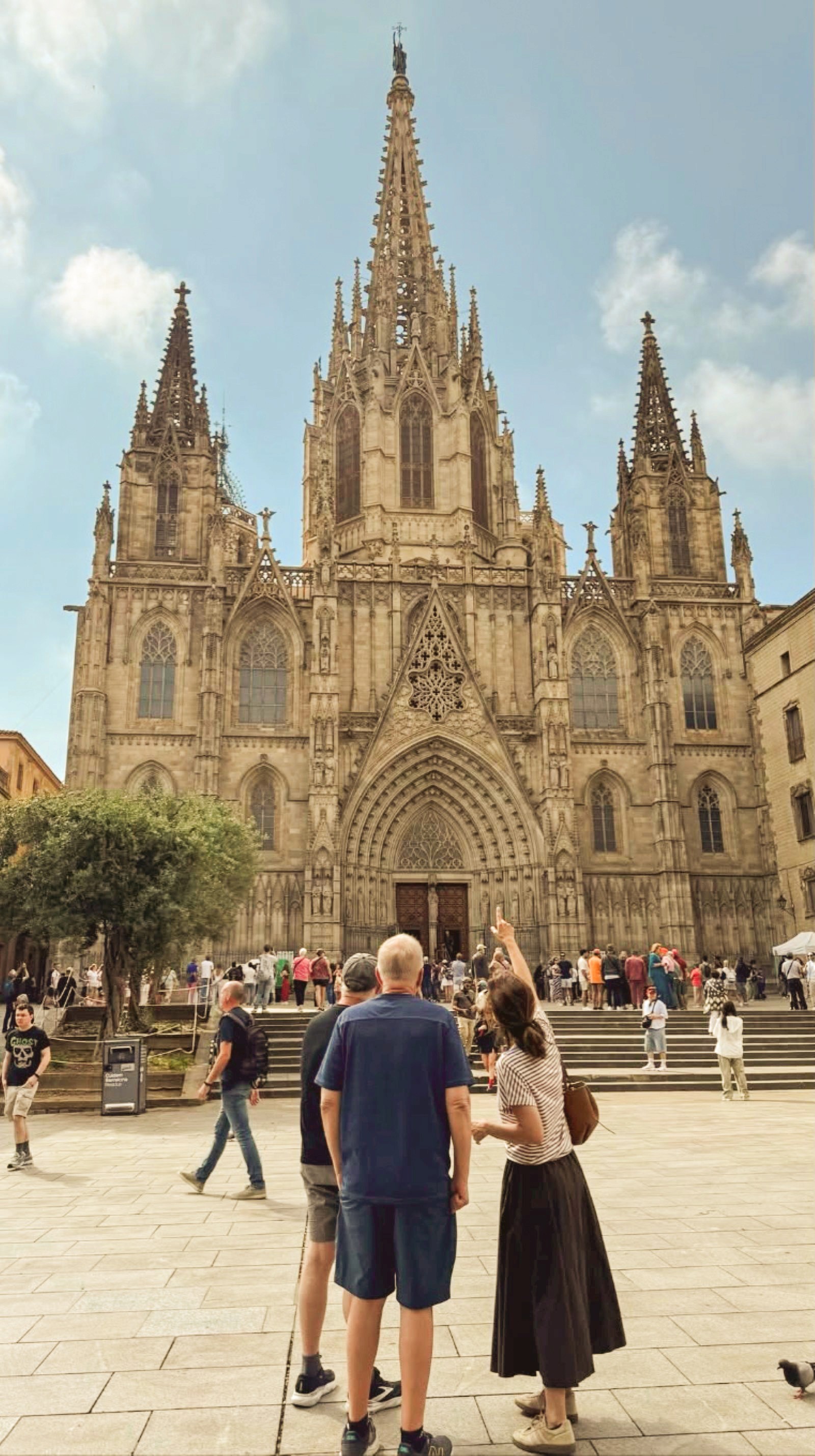
Sant Felip Neri, the small Gothic church in the Barri Gòtic, was where Gaudí went for daily prayer and where he found what Alex calls silence and space for contemplation. Understanding this spiritual dimension of his life is, she believes, essential to understanding his architecture. Visiting it within a Gaudí itinerary gives the experience a biographical completeness that the architectural circuit alone cannot provide.
How Gaudí actually worked
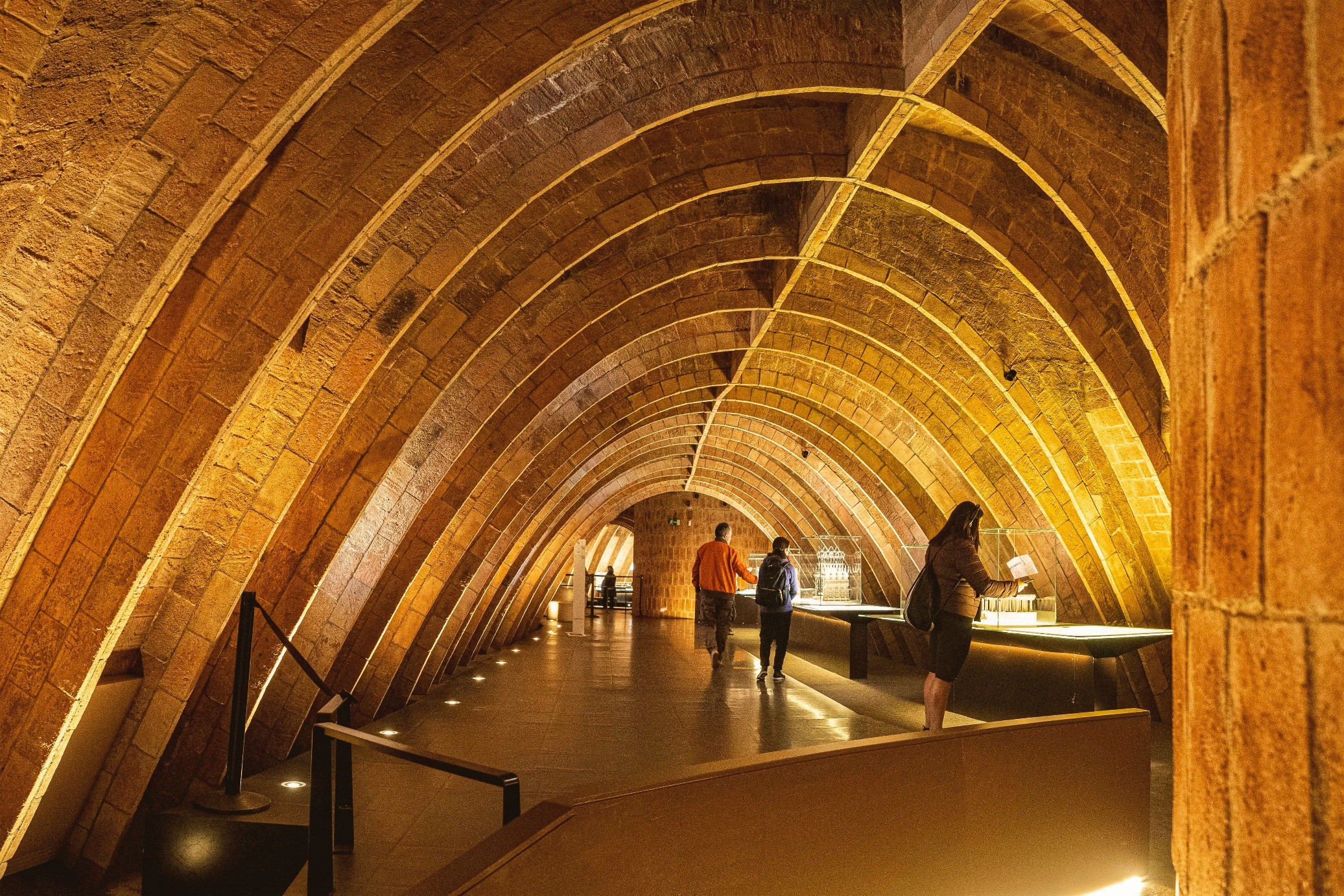
One of the most important things Alex wants travelers to understand is that Gaudí did not design his buildings the way most people assume. He was not an architect who produced complete drawings and built from them. He improvised. He modified. He refined as construction progressed, sometimes revising work already completed because he believed it could be improved. The physical model was his primary tool. Rather than relying on mathematical calculations, he built hanging models using strings and small weights to understand how forces would act on arches and vaults. The models he built for the Sagrada Família were among the most complex physical calculations ever made in architecture.
When fires in 1936 destroyed most of his drawings and models, the architects who continued his work were left reconstructing a three-dimensional puzzle from fragments. Visiting the workshop at the Sagrada Família, where versions of the hanging models can be seen and this story is told in full, is one of the experiences Alex would not miss.
One piece of advice: look at nature first
Alex's single piece of advice to someone visiting Barcelona to experience Gaudí is the one that reframes everything else. Look at nature before you look at the buildings.
Everything you see in Gaudí's architecture has already existed in nature. Every arch, every railing, every facade decoration reflects an organic form, something that already works perfectly in the natural world. Gaudí believed that nature was the greatest architect, and that the role of the human architect was not to compete with it but to observe, learn, and remain humble. Once you understand that philosophy, you stop seeing strange shapes and start seeing the natural logic behind everything Gaudí created. You stop asking why it looks that way and start understanding what it is solving. The answer, every time, is the same: it is solving it perfectly.

Practical notes for visiting in 2026
The centenary year will bring significant visitor volumes to all major Gaudi sites. Booking well in advance is essential across all properties. Private guides are strongly recommended, particularly at the Sagrada Familia and Casa Batllo, where the depth of interpretation available with a knowledgeable guide is qualitatively different from a self-guided visit.
The major sites consistently reward an early morning or late afternoon visit over a midday arrival. The Sagrada Familia's tower visits should always be booked separately from the general entrance and are worth prioritizing. Casa Batllo's exclusive breakfast experiences represent the most intimate access currently available to that building and are worth considering for those who want the building largely to themselves.
Torre Bellesguard and Palau Guell, the two sites most consistently recommended by the guides as underrated, receive significantly fewer visitors than the Passeig de Gracia buildings and can be experienced with a quality of attention that the major sites cannot always offer. Both fit naturally within a well-designed two-day Gaudi program.
The centenary date itself, 10 June 2026, will be marked by significant events at the Sagrada Familia and across the city. Those planning to be in Barcelona around that date should expect an elevated program of cultural activity and plan accordingly.
FAQs
What makes 2026 different from any other year to visit Gaudi's Barcelona?
Three things converge: the centenary of Gaudi's death on 10 June, the near-completion of the Sagrada Familia after more than 140 years of construction, and Barcelona's designation as the 2026 World Capital of Architecture. The result is a year of significantly deeper cultural programming, more events, and greater civic attention to Gaudi's legacy than in any previous year. It is also a busier year, which makes advance planning more important than usual.
Which Gaudi site is most worth visiting in 2026?
Do you need a private guide to experience Gaudi properly?
What is Torre Bellesguard and why do guides recommend it?
What books would you recommend for understanding Gaudi before a visit?
Is Gaudi's Barcelona suitable for first-time visitors to the city?
Design your Gaudi Year 2026 Barcelona visit
Gaudi Year 2026 is an exceptional moment to visit Barcelona. Contact us to discuss how we design Gaudi experiences with private guide access, exclusive visits, and the depth that makes his buildings genuinely unforgettable.
Latest posts

How to design a week in northern Morocco around the 2027 solar eclipse
A week in northern Morocco built around the 2027 solar eclipse combines Tangier, the blue city of Chefchaouen, and Tetouan's UNESCO medina for eclipse day, where four minutes and fifty-three seconds of totality will descend on one of the most culturally extraordinary cities in North Africa.

How to design a week in Andalusia around the 2027 solar eclipse
A week in Andalusia built around the 2027 solar eclipse covers Seville, Ronda, the Sierra de Grazalema, and Marbella for eclipse day, with enough time to experience one of the great destinations in southern Europe alongside one of the most extraordinary astronomical events of a lifetime.

What to know before eclipse day 2027: insider tips for 2 August
The 2027 eclipse is four minutes of totality. The preparation before it determines whether those four minutes are everything they should be. This insider guide covers road closures, booking timing, cloud contingencies, eclipse glasses, and what to expect hour by hour on 2 August.