Where to Stay on the Costa Brava: Choosing Your Base by Zone
Where you stay on the Costa Brava shapes the entire character of the journey. This zone-by-zone breakdown covers the northern, central, and southern coast and the inland alternatives, with the design intelligence to match the right base to the right travel profile.
The question of where to stay on the Costa Brava is really a question about what kind of journey you want to have. The coast stretches for 200 kilometers and divides into zones with meaningfully different characters, different accommodation landscapes, and different relationships to the surrounding geography. Choosing a base without understanding those differences is the most reliable way to spend a week in the wrong place.
This guide divides the coast into its natural zones, explains what each one delivers, and identifies the travel profiles and journey types each base suits best.
Why Your Base Matters More Than Your Hotel
The coast is not uniform
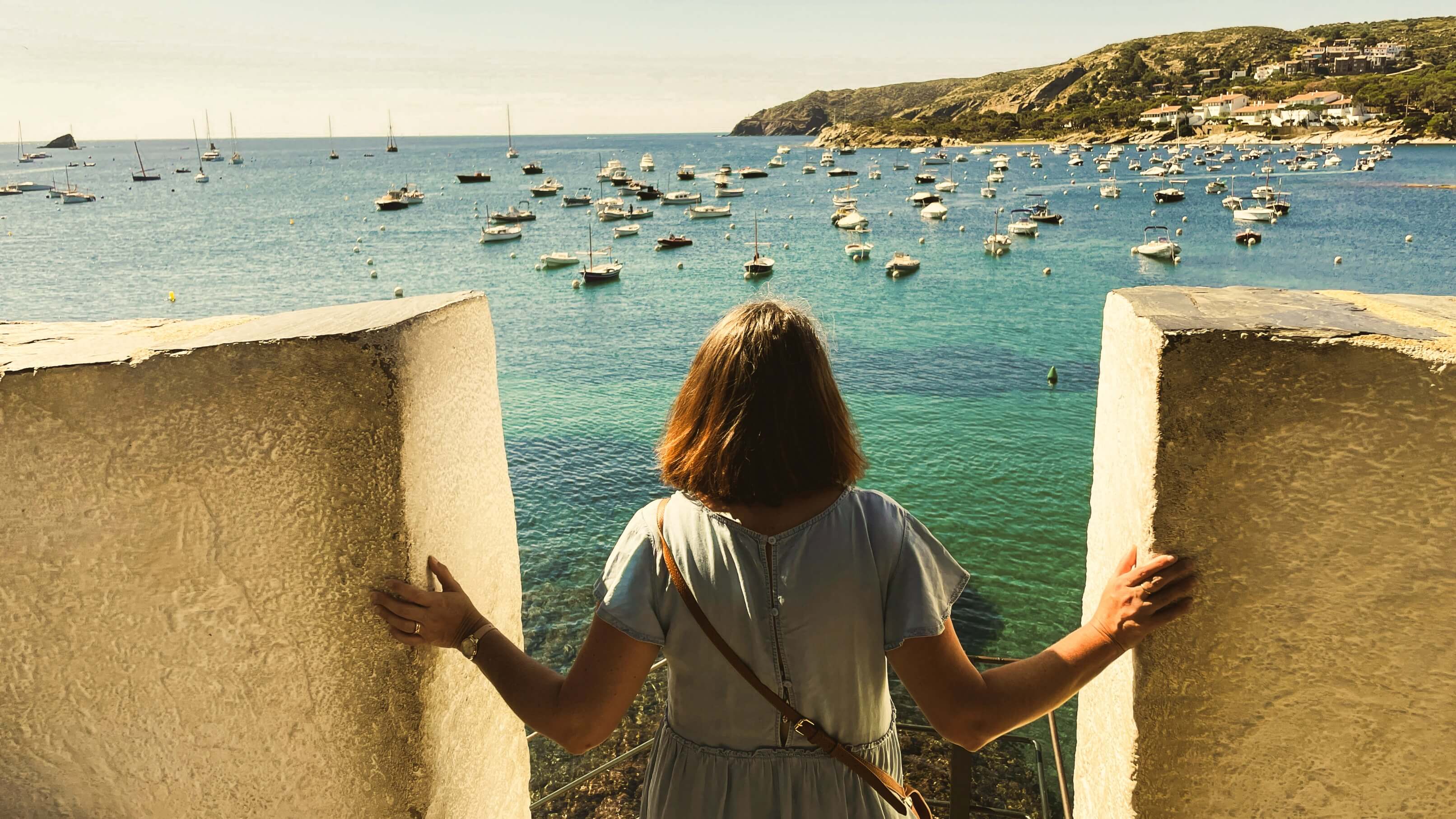
The Costa Brava is not a single destination with interchangeable parts. The northern coast around Cadaques is wild, remote, and culturally specific in a way that asks something particular of the traveler. The central coast around Begur is more varied, more accessible, and better suited to a journey that wants breadth alongside depth. The southern coast from Tossa de Mar to Sant Feliu de Guixols is the most dramatic in terms of cliff road scenery but the most developed in terms of tourist infrastructure.
Each zone has its own accommodation landscape that reflects its character. Understanding that landscape before booking is the difference between a property that amplifies the experience of a place and one that simply provides a bed in it.
Matching the zone to the journey
The most common mistake on the Costa Brava is choosing a base for its accommodation quality without considering whether the zone around it suits the journey being designed. A beautifully appointed villa in a town that closes its restaurants by nine, or a well-located hotel in a zone that requires a car for every movement, can undermine a week that should have been exceptional.
The questions worth asking before booking are simple: How much do you want to walk versus drive. How important is evening character in the town. Do you want one quality of landscape for the full stay or access to multiple zones across the week. The answers point clearly to a zone, and the zone points to the right type of accommodation within it.
The Northern Costa Brava: Cadaques and Cap de Creus
Who it suits
The northern Costa Brava suits travelers who want a specific and immersive experience of one place. Cadaques is the defining town of this zone, and it is not for everyone in the best possible sense. Its isolation, its particular cultural weight, its relationship to the Cap de Creus landscape, and its deliberate resistance to easy access all contribute to an experience that rewards the traveler who chooses it intentionally and arrives with enough time to settle in.
Couples seeking a slow, culturally rich stay with serious walking, exceptional swimming, and good food within a contained and walkable town will find Cadaques close to ideal. Travelers who want variety, easy access to multiple zones, or a lively resort atmosphere will find it limiting.
What to expect from accommodation here
Accommodation in Cadaques divides broadly into small boutique hotels within the town, apartment and villa rentals in and around the old town, and a smaller number of larger villas on the perimeter with views over the bay. The supply is genuinely limited, which keeps the town's character intact but requires early booking, particularly for July and August when availability at quality properties fills months in advance.
The most considered stays in Cadaques tend to be rentals that provide a sense of domestic rhythm: a terrace with a view of the bay, a kitchen for the mornings, the feeling of temporary belonging that a hotel rarely delivers. El Port de la Selva, on the western side of the Cap de Creus peninsula, offers a quieter northern alternative with some of the same remoteness and a slightly more accessible road approach.
The practical realities of basing yourself in the north
Cadaques requires a car for arrival and departure and for any exploration beyond the town itself. Once in the town, a car is a liability rather than an asset. Accommodation that includes parking or that sits within easy reach of the municipal car parks removes the most significant logistical friction of a northern Costa Brava stay. The road into Cadaques over the Serra de Rodes requires genuine confidence with mountain driving, particularly after dark.
The Central Costa Brava: Begur and the Baix Emporda
Who it suits
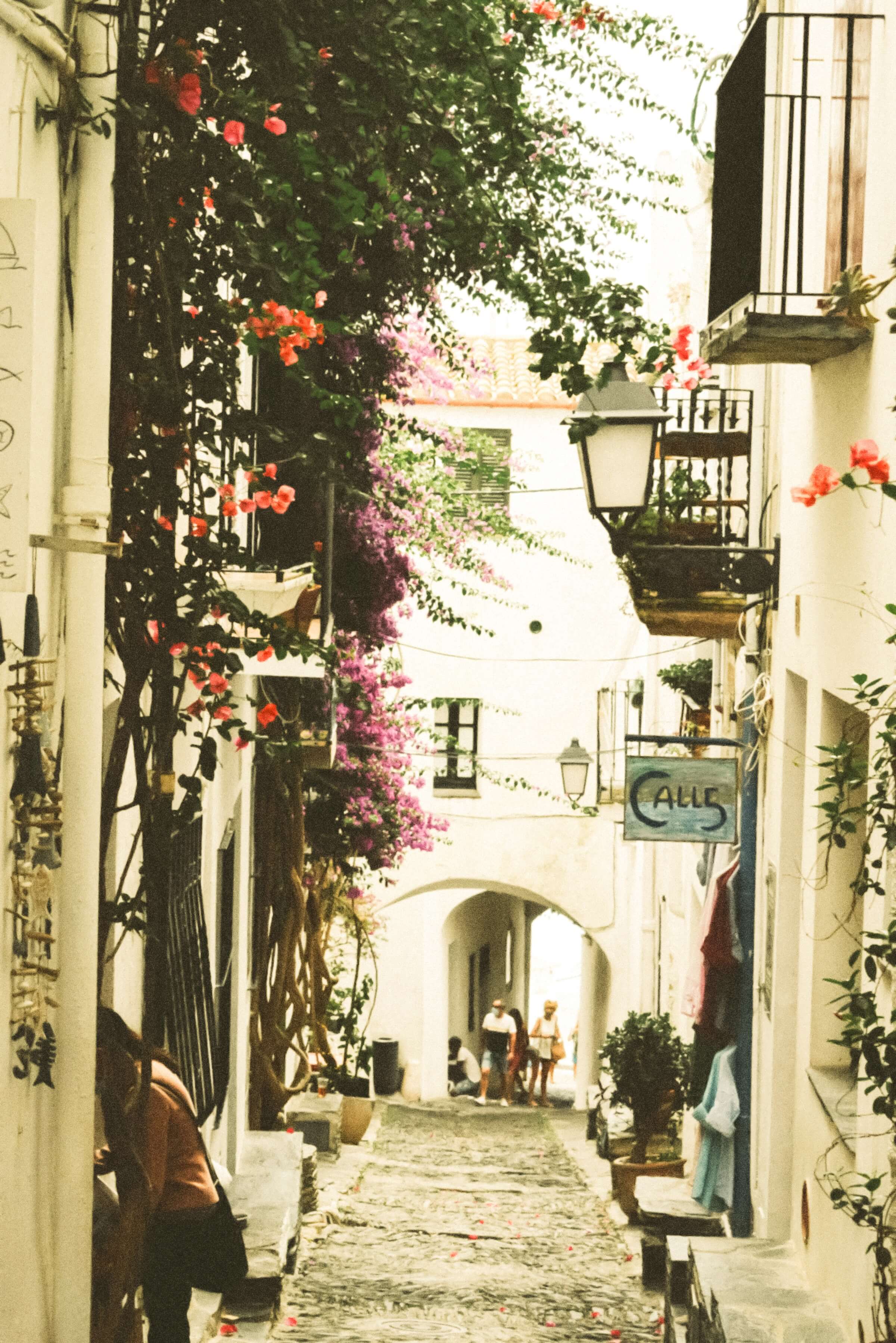
The central Costa Brava around Begur is the most versatile zone on the coast and suits the widest range of travel profiles. Couples who want coves and culture in equal measure. Families who need accessible beaches alongside something worth doing inland. Travelers on their first Costa Brava visit who want to understand the coast broadly before committing to a specific character. And anyone who wants a town with genuine evening life, good restaurants, and a market without the resort scale of the southern towns.
The Baix Emporda also connects most naturally to the inland medieval villages of Peratallada and Pals and to the fishing port of Palamos, giving a week here more structural variety than either the northern or southern zones can match independently.
What to expect from accommodation here
The accommodation landscape around Begur is the most diverse on the Costa Brava. The town itself offers boutique hotels in the old center, apartments with castle views, and a range of villa rentals across the surrounding hills. The cove villages of Aiguablava, Tamariu, and Calella de Palafrugell each have their own small accommodation offer, ranging from classic seafront hotels to more contemporary rentals above the coves.
Villa rentals in the Begur area tend to offer the best balance of space, privacy, and access to the coast. Properties on the hillsides above the town typically combine views across the Emporda plain with driving distances of under twenty minutes to any cove on the central coast.
Villas, hotels, and the question of scale
For couples, a boutique hotel in Begur with dinner on the terrace and a short drive to a cove each morning is close to the ideal structure of a summer week. For a larger group or a multigenerational stay, a villa with its own outdoor space and a kitchen for the mornings resolves the logistical complexity of multiple daily restaurant meals and provides the flexibility that a shared stay requires.
The key variable for villa selection in this zone is the relationship between the property and the coast. A villa thirty minutes from the nearest cove loses a significant part of what makes the Baix Emporda worth the choice. Properties within fifteen to twenty minutes of Aiguablava, Tamariu, or Calella de Palafrugell sit in a different category entirely.
The Southern Costa Brava: Tossa de Mar to Sant Feliu de Guixols
Who it suits
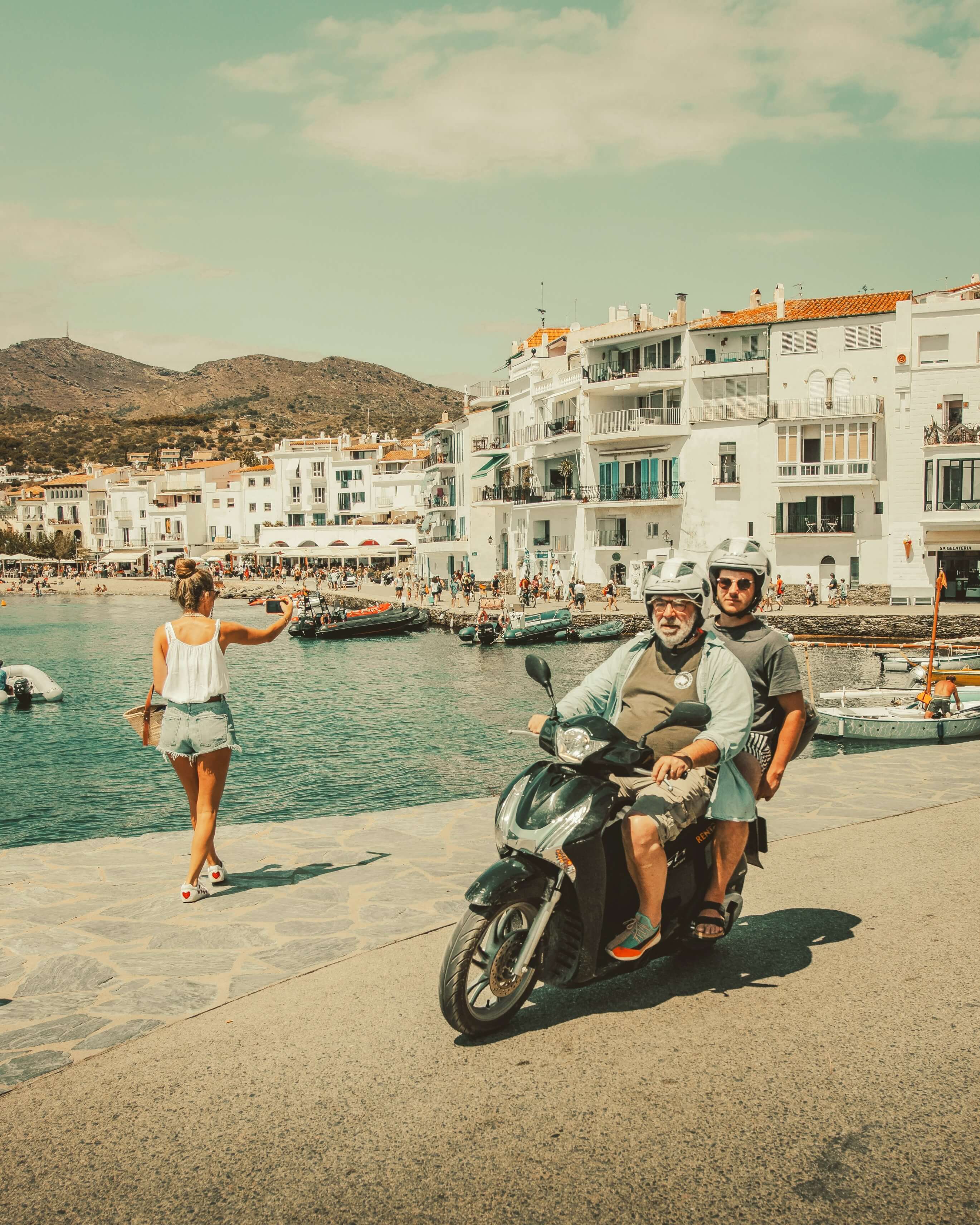
The southern Costa Brava suits travelers who want dramatic scenery on the cliff road between Tossa and Sant Feliu, a good beach with easy services, and a base well connected to Barcelona. Tossa de Mar, with its medieval walled village above the bay, is the most characterful town in this zone and the one most likely to satisfy a traveler who values historic texture alongside a beach.
The southern zone is the most developed in terms of tourist infrastructure and the most accessible from Barcelona, which makes it the natural choice for shorter stays or for travelers who want the Costa Brava experience without significant logistical complexity.
What to expect from accommodation here
The accommodation offer in the southern Costa Brava is broader and more varied in quality than the northern and central zones, reflecting the higher volume of visitors it receives. The range runs from large resort hotels with pools and full facilities to smaller guesthouses in the older parts of Tossa and Sant Feliu. Villa rentals exist but tend to sit further from the water than comparable properties in the Begur area, and the density of development in some areas reduces the sense of privacy that a villa stay ideally provides.
Staying Inland: Girona and the Emporda Villages
When an inland base makes sense
Girona warrants consideration as a base for travelers who want to combine the Costa Brava coast with serious city time. The old town is one of the best-preserved in Catalonia, the food scene is exceptional, and the coast is forty to sixty minutes away by car. For a journey that treats the coast as a day-trip resource rather than a primary environment, Girona resolves the question of base more elegantly than any coastal town.
The medieval villages of the Emporda occasionally accommodate travelers in small guesthouses within the village walls. Staying in Peratallada is a specific and unusual experience that suits travelers with a serious interest in the medieval landscape of Catalonia. It is not a practical base for a coast-focused week but is a memorable single night within a longer itinerary.
What it adds to a Costa Brava journey
An inland night or two changes the register of a Costa Brava journey in a way that pure coastal stays cannot. The Emporda plain has a quality of light and space entirely different from the coves and headlands of the coast, and experiencing the region from both perspectives gives the landscape a completeness that a single base cannot provide. For travelers building a week or more, a night in Girona at the beginning or end of the journey is consistently worth the structural adjustment it requires.
How Many Bases Does a Costa Brava Journey Need?
For a stay of four nights or fewer, one base is the right answer. Cadaques for the northern experience. Begur for the central. Tossa for the southern. Moving base within a short stay adds logistical friction without adding enough geographic variety to justify it.
For a stay of five to seven nights, two bases is the considered approach. The most effective combination is two nights in the central Costa Brava around Begur, followed by three nights in Cadaques, with the drive north connecting the two zones in an afternoon that passes through Girona or the Emporda villages. This structure, covered in more detail in our guide to driving the Costa Brava, gives a week the geographic arc and contrasting registers that make it feel complete.
For a stay of seven nights or more, a third base becomes worth considering, either an inland night in Girona or a night in one of the southern towns, depending on whether the priority is city culture or dramatic cliff road scenery.
FAQs
What is the best area to stay on the Costa Brava?
There is no single best area. The northern coast around Cadaques suits travelers who want an immersive, slow experience of one distinctive place. The central coast around Begur suits those who want variety, good food, and easy access to multiple coves and inland villages. The southern coast suits travelers prioritising accessibility from Barcelona and a well-developed tourist infrastructure.
Is Cadaques a good base for the Costa Brava?
Is Begur or Cadaques better for a first Costa Brava visit?
How far in advance should you book accommodation on the Costa Brava?
Is a car necessary for a Costa Brava stay?
What type of accommodation works best for a multigenerational group on the Costa Brava?
Find the Right Base for Your Costa Brava Journey
The right base on the Costa Brava depends on how you want to experience the coast. Contact us to discuss the options and design a stay that fits your journey from the first decision.
Latest posts

The 2030 World Cup is coming to Spain, Portugal, and Morocco
In 2030 the World Cup comes to Spain, Portugal, and Morocco. Our travel coordinator Pedro Contreras Gonzalez, who has spent over twenty years in hospitality across Spain and the UK, on what has been confirmed, what has not, and what it means for anyone thinking about being there.
Read more

How to design a week in northern Morocco around the 2027 solar eclipse
A week in northern Morocco built around the 2027 solar eclipse combines Tangier, the blue city of Chefchaouen, and Tetouan's UNESCO medina for eclipse day, where four minutes and fifty-three seconds of totality will descend on one of the most culturally extraordinary cities in North Africa.
Read more

How to design a week in Andalusia around the 2027 solar eclipse
A week in Andalusia built around the 2027 solar eclipse covers Seville, Ronda, the Sierra de Grazalema, and Marbella for eclipse day, with enough time to experience one of the great destinations in southern Europe alongside one of the most extraordinary astronomical events of a lifetime.
Read more