Begur and the Baix Empordà: A Base for the Central Costa Brava
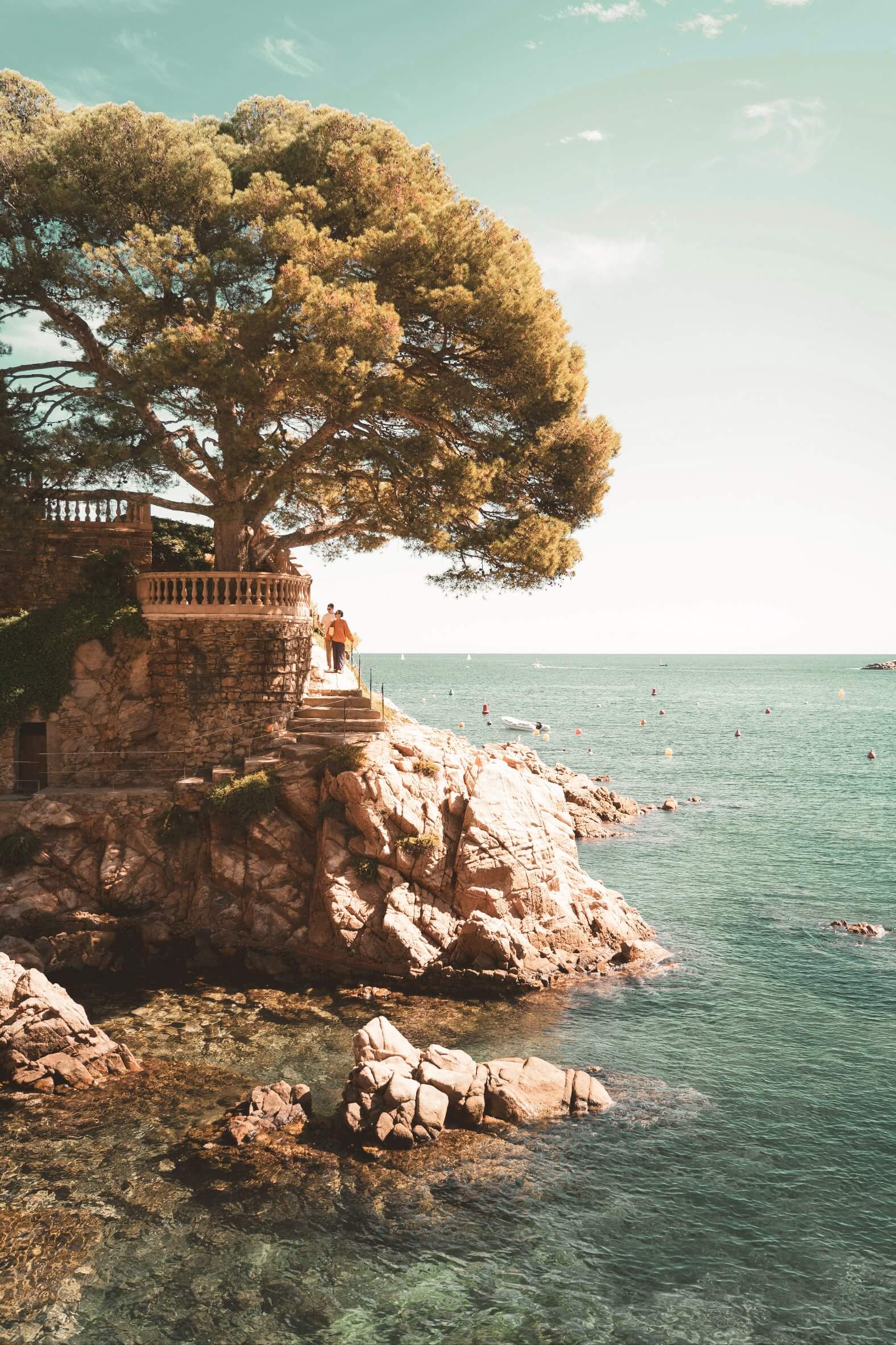
Begur sits on a hill above the central Costa Brava and commands one of the most varied and rewarding stretches of the Catalan coast. This article covers the coves, inland villages, food scene, and routing intelligence that make it the most considered base on the Baix Emporda.
There is a version of the Costa Brava that most travelers never find. It sits between the more accessible resort towns of the south and the wilder northern headland around Cadaques, and it is anchored by a hilltop town with a ruined castle, a handful of genuinely good restaurants, and a network of coves that rank among the most beautiful on the Mediterranean. That town is Begur, and the stretch of coast it commands is the Baix Emporda.
For travelers who want depth over distance and a base that rewards staying rather than moving, Begur is the most intelligent choice on the central Costa Brava.
Why Begur Works as a Base
The town itself
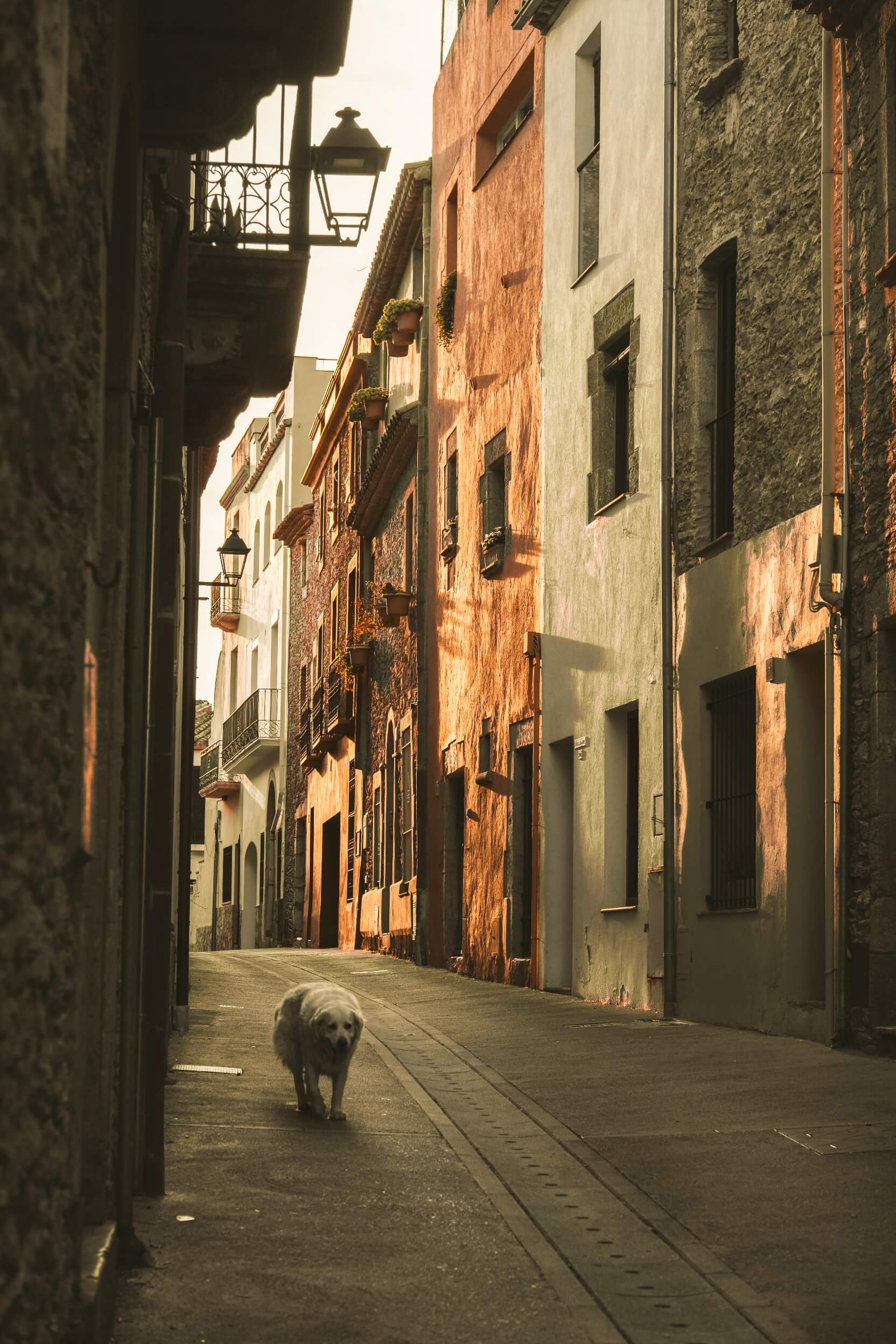
Begur sits on a hill above the coast at an elevation that keeps it cooler than the coves below and gives it a quality of air and light that is distinct from the beach towns it overlooks. The ruined castle at the top of the hill is a practical landmark and a ten-minute walk from the main square, with views that extend on a clear day across the entire Baix Emporda and out to the Medes Islands. The town has retained a genuinely local character that many comparable Costa Brava towns have lost, with a weekly market, independent shops, and a restaurant scene that reflects the quality of the surrounding agricultural and coastal landscape.
The architecture carries the imprint of the indianos, Catalan emigrants who returned from Cuba and the Americas in the nineteenth century with enough wealth to build the ornate colonial-influenced villas that still line certain streets. It is a detail that gives Begur a historical texture most visitors do not expect.
What radiates outward
Begur sits within twenty minutes of six distinct coves, several medieval villages, and the fishing port of Palamos. That geographic density is what makes it work as a base. A week centered on Begur does not require significant daily driving. The coves are reachable by car in under twenty minutes or on foot via the Cami de Ronda in under two hours. The inland villages are a thirty-minute drive at most. The town itself provides the evening rhythm, the morning coffee, and the restaurant table that gives a week its structure.
For travelers who find Cadaques too remote or too focused on a single character, Begur offers a broader palette within a similarly manageable scale.
The Coves of the Baix Emporda
Aiguablava and Fornells
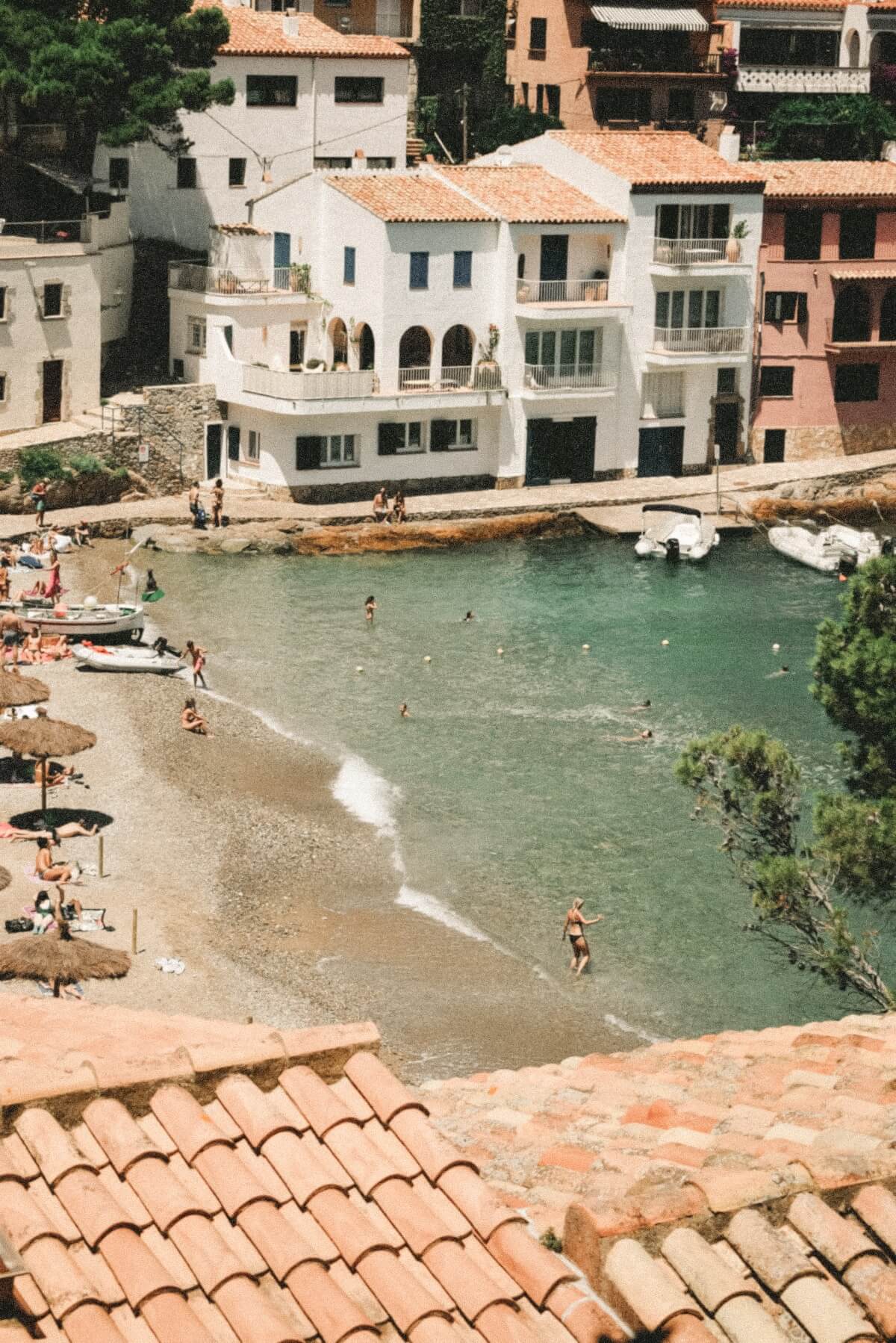
Aiguablava is the most celebrated cove in the Baix Emporda and one of the most photographed on the Costa Brava, a reputation it earns. The water is a particular shade of turquoise that reflects the white limestone cliffs above it, and the beach is sheltered enough to remain swimmable in most summer winds. Fornells, a small inlet immediately adjacent, is quieter and better suited to those who want a longer stretch of water without the volume that Aiguablava attracts at peak season.
Both coves are reachable by car with parking that fills quickly on summer mornings. An early arrival before ten, or an afternoon visit after five, resolves most of the parking pressure.
Tamariu
Tamariu is a small fishing village with a beach that has somehow retained its character despite being one of the most consistently recommended coves on the central coast. The village has a handful of restaurants directly on the waterfront, a sheltered bay with calm water well-suited to families and less confident swimmers, and a quality of afternoon light that makes it particularly rewarding after three in the afternoon when the morning crowds have thinned.
The Cami de Ronda connects Tamariu to Llafranc to the south and to the coves north of Begur, making it a natural midpoint for a half-day coastal walk with swimming built in.
Calella de Palafrugell and Llafranc
Calella de Palafrugell is one of the most complete villages on the Costa Brava, with a long whitewashed waterfront, a string of fish restaurants, and the Jardins de Cap Roig botanical garden a short walk above the bay. The annual Cap Roig music festival, held in the garden's natural amphitheatre in July and August, draws a programme of international artists and a largely local and regional audience, giving the village a cultural dimension that most Costa Brava towns lack entirely.
Llafranc, immediately adjacent and connected by the coastal path, is smaller and slightly more residential in character. The two villages function as a pair and are best experienced across a full day that begins with a morning walk between them along the Cami de Ronda and ends with a long lunch on the Calella waterfront.
Sa Tuna and Platja Fonda
Sa Tuna is a tiny cove north of Begur with a small beach, a cluster of coloured fishing boats, and the kind of intimate scale that makes it feel discovered rather than visited. It is accessible by car on a narrow road and fills quickly in summer, but its size means that even a moderate number of visitors gives it a lively rather than crowded quality. Platja Fonda, accessible only on foot via a steep path from the road above, is one of the few genuinely secluded beaches on the central coast, a dark pebble beach below tall cliffs with water of extraordinary clarity.
Inland from the Coast
Peratallada, Pals, and the Emporda plain
The agricultural plain of the Baix Emporda contains some of the best-preserved medieval villages in Catalonia. Peratallada, entirely built in honey-coloured stone and essentially unchanged in its street plan since the medieval period, is the most impressive. The absence of large coach groups means the village retains a quality of silence and texture that rewards an unhurried afternoon.
Pals, fifteen minutes from Peratallada, has a Gothic quarter set on a hill with views across the rice fields of the Emporda delta. The rice grown here is the basis for the arros a la cassola and other regional dishes that appear on menus throughout the Baix Emporda. For travelers with a serious interest in the medieval landscape of the interior, our article on the medieval villages of the Alt Emporda covers Peratallada, Pals, and Pubol in full.
La Bisbal d'Emporda and Palamos
La Bisbal d'Emporda is the market town of the Baix Emporda and the regional center for ceramics, with a long street of workshops and shops selling everything from practical earthenware to serious decorative pieces. It is a practical half-day stop for those interested in Catalan craft traditions.
Palamos is the most significant fishing port on the Costa Brava and the source of the red prawns, gambas de Palamos, that appear on menus across Catalonia. The port is most rewarding in the early morning when the catch comes in, and the town has a waterfront that functions as a local rather than tourist economy, which gives it a character worth an afternoon of exploration.
Eating and Drinking Well in the Baix Emporda
The cooking of the Baix Emporda is one of the most consistently rewarding in Catalonia, rooted in the interaction between the sea, the agricultural plain, and a culinary tradition that values the specific over the generic. The anchovies from L'Escala, the rice dishes of the Emporda delta, the gambas from Palamos, and the local fish used in suquet are all worth seeking out specifically.
Begur's restaurant scene punches above its size. Restaurants in Calella de Palafrugell on the waterfront offer the best setting on the central coast for a long lunch, and the villages of the interior, particularly Peratallada, have several restaurants serving the inland Catalan cooking at a standard that justifies the detour.
Wine from the Emporda denomination pairs naturally with the local seafood. Asking for a local wine recommendation rather than defaulting to a broader Catalan or Spanish selection is consistently rewarded in this region.
When to Go and How Long to Stay
June is the month that experienced travelers return to on the Baix Emporda. The light is long, the water is warming toward its summer peak, and the restaurants are operating without the pressure of full season. The Cami de Ronda is walkable without the heat management required in July and August, and the coves are swimmable without the parking logistics that peak season demands.
July and August deliver everything the coast promises in terms of warmth, energy, and water temperature, but require earlier starts, advance restaurant reservations, and a pragmatic attitude toward parking. September rewards flexibility with warm water, thinning crowds, and the Emporda plain at its harvest best.
A minimum of four nights in Begur allows for two days on the coves, one inland day covering Peratallada and Pals, and one day for Palamos and the fish market. Five or six nights resolves the compression and allows the Cap Roig festival if the timing aligns.
How Begur Fits Into a Wider Costa Brava Journey
Begur sits at the natural midpoint of a complete Costa Brava itinerary. A well-designed journey from Barcelona north might spend two or three nights in Begur before moving through the medieval villages of the Emporda interior and arriving in Cadaques for the final three or four nights. This routing, covered in full in our guide to driving the Costa Brava, allows the coast to build gradually from the more accessible central stretch toward the wilder northern headland, with the cultural and geographic contrast between the two sections giving the journey a coherent arc.
Begur also works as a standalone destination for travelers who want the central coast without the commitment of a longer itinerary. Its combination of good food, beautiful coves, walkable inland villages, and a town with genuine character makes it one of the most complete short-stay destinations on the entire coast.
Begur is the kind of place that becomes a reference point for future travel rather than a memory that fades. That, for a base, is precisely the quality worth looking for.
FAQs
Is Begur worth visiting on the Costa Brava?
Yes. Begur offers a combination of qualities that few comparable towns on the Costa Brava can match: a hilltop town with genuine character, direct access to six distinct coves, proximity to the best medieval villages in the Baix Emporda, and a restaurant scene that reflects the quality of the surrounding landscape.
How do you get to Begur?
What are the best coves near Begur?
How does Begur compare to Cadaques?
Is the Baix Emporda suitable for families?
What is the best restaurant area near Begur?
Design your Begur and Costa Brava journey
The central Costa Brava rewards careful planning and the right amount of time in the right places. Contact us to discuss how we design journeys anchored in Begur and the Baix Emporda.
Latest posts

The 2030 World Cup is coming to Spain, Portugal, and Morocco
In 2030 the World Cup comes to Spain, Portugal, and Morocco. Our travel coordinator Pedro Contreras Gonzalez, who has spent over twenty years in hospitality across Spain and the UK, on what has been confirmed, what has not, and what it means for anyone thinking about being there.
Read more

How to design a week in northern Morocco around the 2027 solar eclipse
A week in northern Morocco built around the 2027 solar eclipse combines Tangier, the blue city of Chefchaouen, and Tetouan's UNESCO medina for eclipse day, where four minutes and fifty-three seconds of totality will descend on one of the most culturally extraordinary cities in North Africa.
Read more

How to design a week in Andalusia around the 2027 solar eclipse
A week in Andalusia built around the 2027 solar eclipse covers Seville, Ronda, the Sierra de Grazalema, and Marbella for eclipse day, with enough time to experience one of the great destinations in southern Europe alongside one of the most extraordinary astronomical events of a lifetime.
Read more