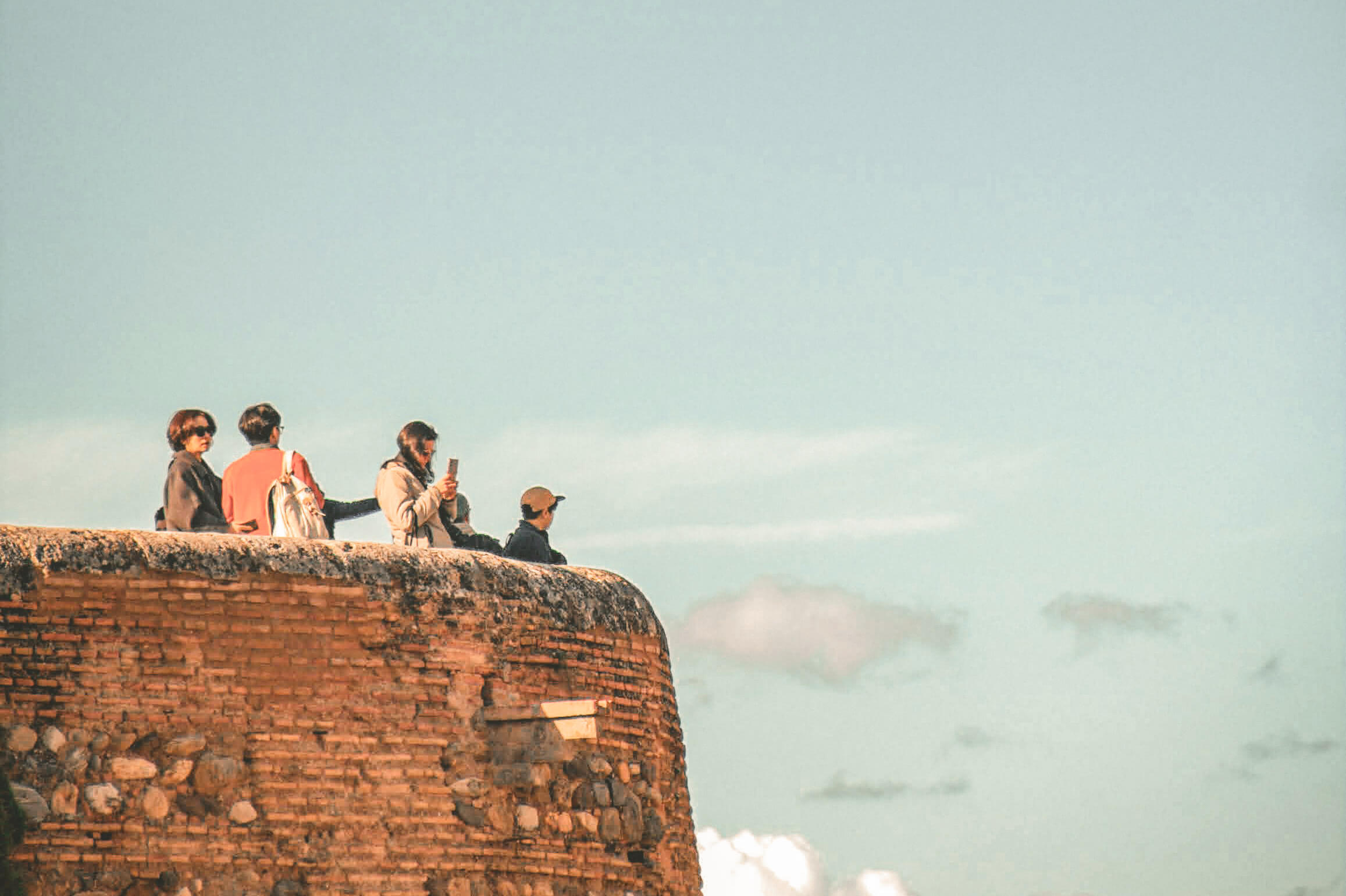
Seeing Spain across generations
A refined guide to multigenerational travel in Spain, with insights on regions, pacing, and how to design a balanced journey.
Spain is one of the few destinations where multigenerational travel feels both natural and effortless.
Not because it tries to accommodate everyone, but because it already offers a balance of pace, culture, and variety that allows different generations to experience the same place in their own way.
A well-designed journey through Spain does not attempt to do everything. It creates space for shared moments, while allowing for individuality within the experience.
Why Spain works for multigenerational travel
Spain offers a rare combination of accessibility and depth.
Distances between regions are manageable, infrastructure is strong, and transitions feel seamless. At the same time, each region carries a distinct identity, which keeps the journey engaging over time.
Food plays an important role. Meals are naturally social, unhurried, and adaptable to different preferences.
There is also a rhythm to daily life that supports multigenerational travel. Mornings can be active, afternoons slower, and evenings more communal.
This flexibility makes it easier to design a journey that feels cohesive without being rigid.
How to design a journey across generations
The key is not to design for everyone at once.
Instead, it is about layering the experience.
Some moments are shared. Others are optional. Some are active, others more relaxed. The balance comes from allowing each generation to engage in a way that feels natural to them.
Pacing becomes essential. Over-scheduling is often the quickest way to create friction within a group.
Thoughtful design allows for variation without disruption.
The best regions in Spain for multigenerational travel
Madrid and central Spain
Madrid is often the natural starting point.
It provides a strong introduction to Spain, with accessible cultural experiences, walkable neighborhoods, and a pace that can be adjusted easily.
From here, central Spain offers opportunities for quieter exploration. Historic towns, open landscapes, and a sense of calm that contrasts well with the city.
Northern Spain
Northern Spain introduces space and atmosphere.
The Basque Country and Asturias offer cooler temperatures, dramatic coastlines, and a slower rhythm that works well for families traveling together.
For those planning to travel through Northern Spain, this region provides both variety and ease without feeling overwhelming.
Andalusia
Andalusia brings contrast.
Cities like Seville and Granada offer depth, history, and a strong sense of place, while the surrounding countryside provides opportunities to slow down.
For families already exploring Andalusia, the balance between cultural immersion and relaxation works particularly well.
The Balearic Islands
The Balearic Islands provide a different kind of setting.
Mallorca, Menorca, and Ibiza offer space, privacy, and a natural ease that allows families to settle into a slower pace.
Time by the water, flexible days, and open environments make this an ideal way to close a journey.
How to structure a Spain itinerary for multiple generations
A successful itinerary creates a sense of progression.
A typical route might begin in Madrid, move north for space and landscape, and then shift south or toward the islands for a softer conclusion.
This allows the journey to evolve naturally, without feeling repetitive or rushed.
For those traveling in 2026, it is also possible to incorporate moments like the solar eclipse into a thoughtfully designed Spain itinerary, allowing it to enhance the journey rather than define it.
Designing moments that work for everyone
The most memorable trips are rarely defined by major landmarks.
They are shaped by smaller moments. A long lunch, a shared view, an unplanned pause in the day.
For multigenerational travel, these moments matter even more.
The goal is not to create constant activity, but to create space where different generations can connect in a way that feels natural.
FAQ
What is the best way to plan multigenerational travel in Spain?
By focusing on pacing, flexibility, and a balance of shared and independent experiences.
Which regions in Spain are best for families traveling together?
How long should a multigenerational trip to Spain be?
Is Spain easy to travel with different age groups?
Can you include special events like the solar eclipse in a family trip?
What makes a multigenerational trip successful?
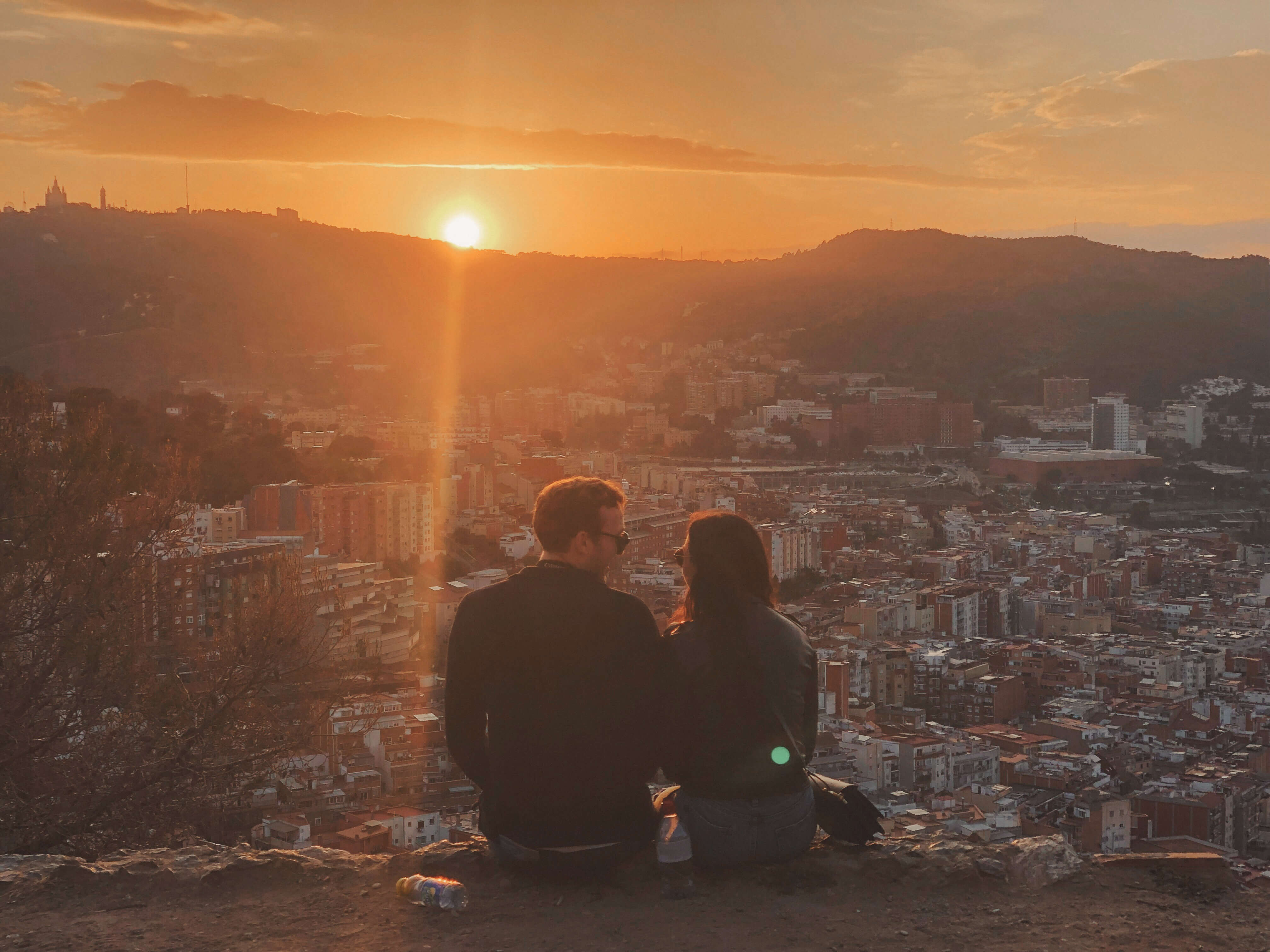
Plan your Spain journey
Thinking about traveling to Spain with family? We can help design a journey that works seamlessly across generations.
Latest posts

The 2030 World Cup is coming to Spain, Portugal, and Morocco
In 2030 the World Cup comes to Spain, Portugal, and Morocco. Our travel coordinator Pedro Contreras Gonzalez, who has spent over twenty years in hospitality across Spain and the UK, on what has been confirmed, what has not, and what it means for anyone thinking about being there.
Read more

How to design a week in northern Morocco around the 2027 solar eclipse
A week in northern Morocco built around the 2027 solar eclipse combines Tangier, the blue city of Chefchaouen, and Tetouan's UNESCO medina for eclipse day, where four minutes and fifty-three seconds of totality will descend on one of the most culturally extraordinary cities in North Africa.
Read more

How to design a week in Andalusia around the 2027 solar eclipse
A week in Andalusia built around the 2027 solar eclipse covers Seville, Ronda, the Sierra de Grazalema, and Marbella for eclipse day, with enough time to experience one of the great destinations in southern Europe alongside one of the most extraordinary astronomical events of a lifetime.
Read more