Luxury Northern Spain itinerary, Basque Country and Asturias
A refined Northern Spain itinerary through the Basque Country and Asturias, designed for a slower, more atmospheric travel experience.
Northern Spain feels different from the rest of the country.
The landscapes are greener, the air is cooler, and the rhythm is more understated. It is a part of Spain that does not rely on spectacle, but on atmosphere.
For travelers looking to move beyond the more familiar routes, Northern Spain offers a quieter, more layered experience. One that works equally well for couples seeking depth and for families traveling together.
Why Northern Spain offers a different kind of experience
The contrast begins immediately.
Where southern Spain is defined by heat and intensity, the north is shaped by the Atlantic. Cliffs, open horizons, and shifting skies create a landscape that feels expansive rather than enclosed.
There is also a different pace. Days unfold more gradually, and the emphasis shifts from seeing to experiencing.
Food plays a central role, particularly in the Basque Country, but it is not the only draw. Architecture, coastal walks, and smaller towns all contribute to a journey that feels balanced.
How to approach a journey through Northern Spain
Northern Spain is best experienced as a progression rather than a series of stops.
Distances are manageable, but the goal is not to cover as much ground as possible. It is to allow each place to settle.
A typical route begins in Bilbao, moves west toward San Sebastián, and then continues along the coast into Asturias.
For those planning a broader journey, this route can also align naturally with moments like the solar eclipse in Spain, depending on timing.
A 7 to 10 day Northern Spain itinerary
Days 1–3: Bilbao and San Sebastián
Begin in Bilbao.
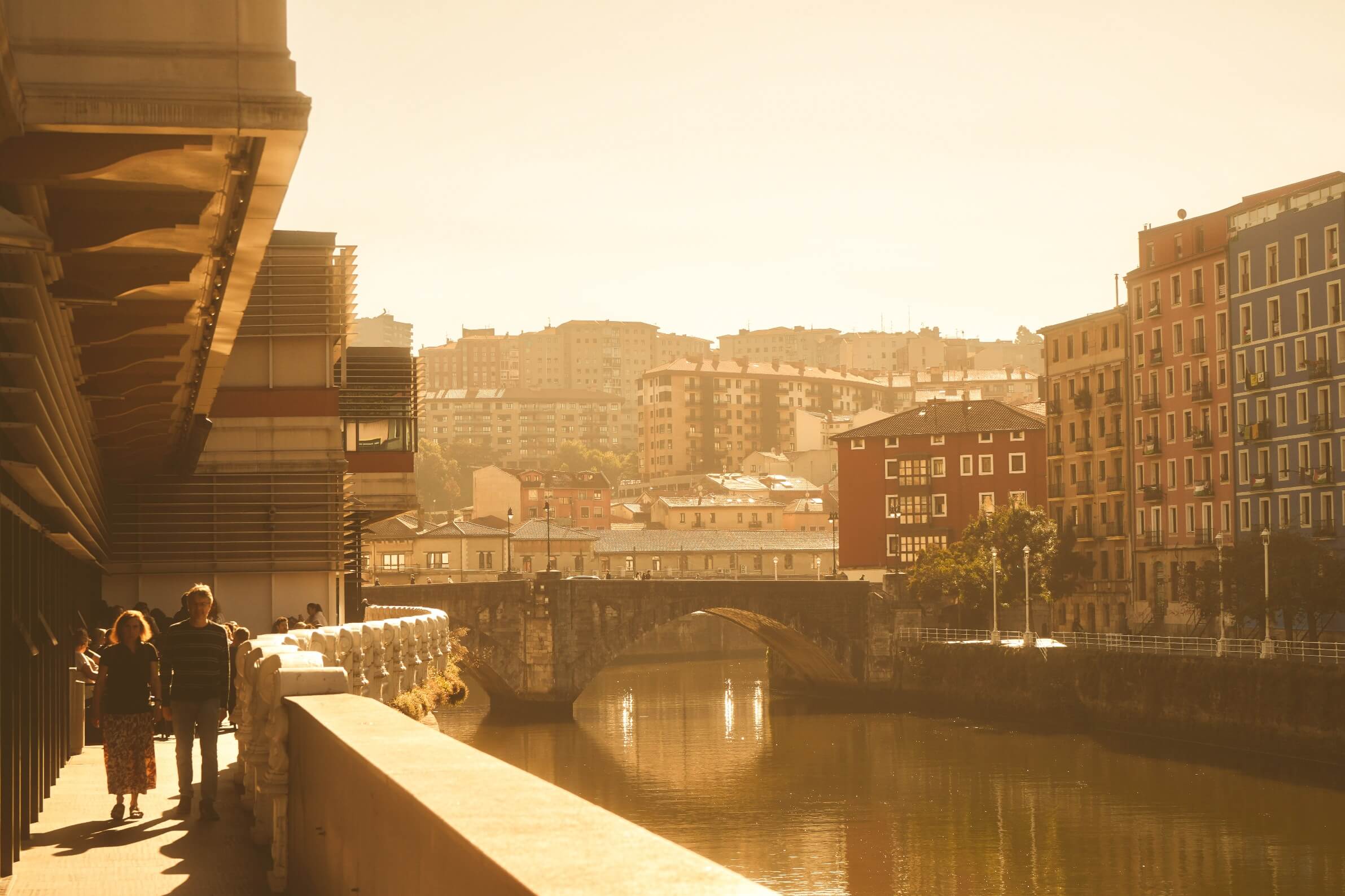
The city provides a strong introduction to the region, with a mix of contemporary architecture and traditional culture. It is also a convenient arrival point.
From here, continue to San Sebastián.
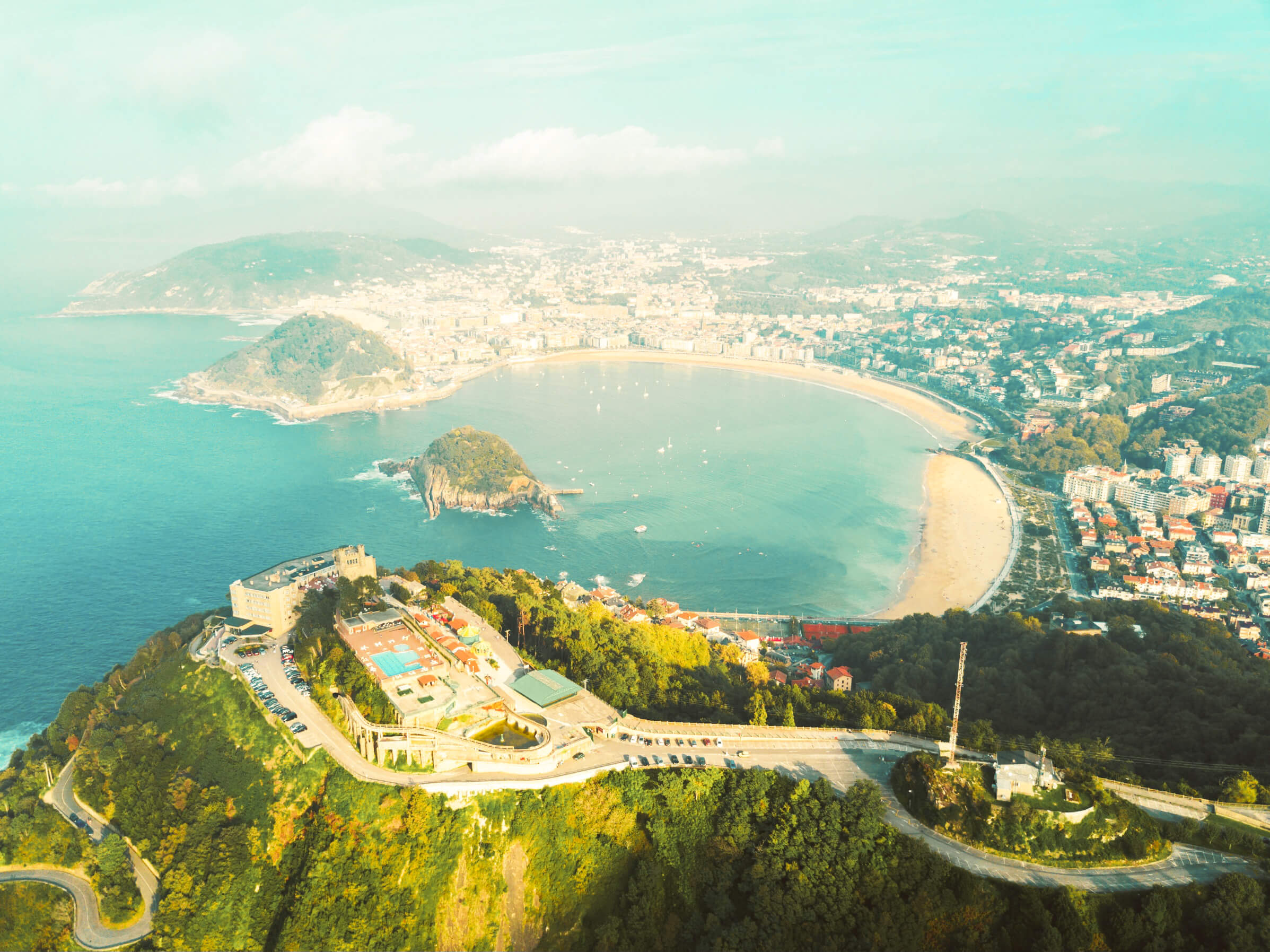
This is where the pace begins to shift. The city is known for its food, but it is equally defined by its setting. Beaches, hills, and a compact layout make it easy to navigate for different types of travelers.
Time here should feel unstructured. Walking, stopping, and allowing the day to unfold naturally.
Days 4–6: Asturias and the coastline
From the Basque Country, continue west into Asturias.
This is where Northern Spain opens up. The coastline becomes more rugged, the towns smaller, and the sense of space more pronounced.
For those looking to travel through Northern Spain in a way that feels less predictable, this region offers something distinctive.
It is also one of the most compelling areas to experience natural phenomena such as the eclipse, particularly when positioned away from larger towns. You can explore where to see the solar eclipse in Spain in 2026 for more detail.
Days here are best kept flexible. Coastal walks, time in small villages, and moments that are not overly structured.
Days 7–10: Extend to Cantabria or Galicia
Depending on the pace of the trip, the journey can extend further west.
Cantabria offers a continuation of the coastal landscape, while Galicia introduces something slightly different. A more remote, almost introspective atmosphere.
Alternatively, travelers may choose to transition south at this point, incorporating regions like exploring Andalusia into a broader itinerary.
Designing the pace for different travelers
What makes Northern Spain particularly effective for a mixed group is its flexibility.
Days can be active or slow without requiring major adjustments. One part of the group might spend time walking or exploring, while others choose to remain closer to a central base.
This balance is what allows the journey to feel cohesive across different ages and travel styles.
When to travel and seasonal considerations
Northern Spain is particularly strong in late spring and summer.
July and August offer the warmest temperatures, though still milder than much of southern Spain. This makes it an appealing option for travelers looking to avoid more intense heat.
For those traveling in August 2026, it can also be integrated into a thoughtfully designed Spain itinerary, where the eclipse becomes part of a broader journey rather than the sole focus.
FAQ
How many days do you need for Northern Spain?
Seven to ten days allows for a well-paced journey across multiple regions.
Is Northern Spain suitable for multigenerational travel?
What are the best places to visit in Northern Spain?
Is Northern Spain good in summer?
Can you combine Northern Spain with other regions?
Is Northern Spain a good place to experience the solar eclipse?
Plan your Northern Spain journey
Interested in Northern Spain? We can help design a journey that reflects its pace, landscapes, and sense of place.
Latest posts

The 2030 World Cup is coming to Spain, Portugal, and Morocco
In 2030 the World Cup comes to Spain, Portugal, and Morocco. Our travel coordinator Pedro Contreras Gonzalez, who has spent over twenty years in hospitality across Spain and the UK, on what has been confirmed, what has not, and what it means for anyone thinking about being there.
Read more

How to design a week in northern Morocco around the 2027 solar eclipse
A week in northern Morocco built around the 2027 solar eclipse combines Tangier, the blue city of Chefchaouen, and Tetouan's UNESCO medina for eclipse day, where four minutes and fifty-three seconds of totality will descend on one of the most culturally extraordinary cities in North Africa.
Read more

How to design a week in Andalusia around the 2027 solar eclipse
A week in Andalusia built around the 2027 solar eclipse covers Seville, Ronda, the Sierra de Grazalema, and Marbella for eclipse day, with enough time to experience one of the great destinations in southern Europe alongside one of the most extraordinary astronomical events of a lifetime.
Read more